
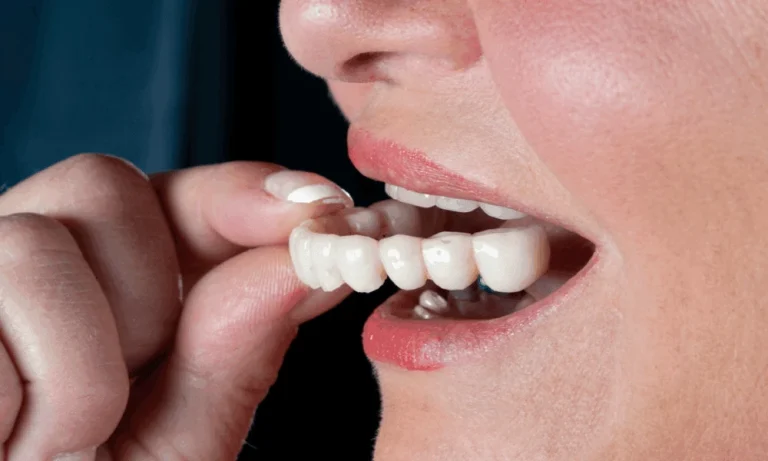
You finally decided to replace a missing or failing tooth, and now a new worry shows up right behind the relief. If you are getting dental implants in Floral Park, you may not want to walk around with a gap, and you may be hoping those same day temporary teeth will let life keep moving without much change. That hope is understandable. You still need to talk, smile, eat, work, and show up for people, even while your mouth is healing.
The hard part is that temporary teeth after implant surgery can look more capable than they really are. They are often made to protect your appearance and help you get through healing with more confidence, but they are not built to handle everything your natural teeth can do. During implant healing, appearance and function do not always match. You can usually smile with them, speak with them, and get through daily life with fewer awkward moments. You usually cannot treat them like permanent teeth, especially when it comes to biting force, chewing pressure, and habits that put stress on the implant site.
Same day temporary teeth support healing, but they do not replace caution
Dental implants heal by bonding with bone. That process takes time, and the implant needs stability while it happens. According to Columbia Dental Medicine’s overview of dental implants, healing and integration are a core part of implant success. A temporary tooth can sit over or around that healing area, but it does not speed the biology along. If anything, it creates one more thing that has to be carefully managed.
This is where people get tripped up. The temporary looks good, feels better than a gap, and after a few days the soreness starts to settle. You take a normal bite without thinking, or you test that side with toast, pizza crust, or a sandwich. One careless moment may not ruin treatment, but repeated pressure can interfere with healing. That is why your implant dentist may sound strict about food, chewing, and even how you brush. The rules are there to protect the bond between the implant and your bone.
Immediate temporary teeth for implants are often used for front teeth because appearance matters and because front teeth usually take less chewing force than back teeth. Even then, “less force” does not mean “no risk.” If you grind your teeth, clench when stressed, or bite your nails, a temporary restoration is under more strain than it was designed to handle.
What temporary implant teeth can do during healing
They can restore your smile enough that you do not feel the need to hide your mouth in conversations or photos. They can support speech, though some people notice a short adjustment period with sounds like S or F. They can also help shape the gum tissue in some cases, which matters for the final result, especially in visible areas.
For many patients, that emotional relief is a big deal. You are not being vain if that matters to you. Looking like yourself while you heal can make work meetings, social events, and day to day interactions feel manageable again.
Temporary teeth after implant surgery can also act as a placeholder so neighboring teeth do not shift into the space. In carefully selected cases, research on immediate implant and provisional approaches shows good outcomes when planning, stability, and patient compliance are all in place. One published review on immediate implants and provisional restorations discusses how success depends on proper case selection and load control, not simply on placing a tooth quickly.
What same day temporary teeth cannot do safely
They cannot handle full chewing force the way a final crown can. They should not be used to bite into hard foods like apples, crusty bread, nuts, ice, jerky, or hard candy. They also should not be your testing tool for “seeing if the implant is ready.” If you feel tempted to check whether it is strong yet, that usually means you need more caution, not more pressure.
They also cannot protect an implant from habits that work against healing. Smoking, poor oral hygiene, clenching, and skipping follow up visits all raise the risk of problems. If the temporary feels loose, hits first when you bite, or starts to rub the gums, that is not something to watch for two weeks. That is something to report.
Language access matters too, especially when aftercare instructions are detailed. If English is not your first language, these multilingual dental health resources from MedlinePlus can help you review basic dental guidance more clearly.
Temporary teeth and permanent implant teeth are not the same thing
| Feature | Same Day Temporary Teeth | Final Implant Restoration |
|---|---|---|
| Main purpose | Appearance, limited function, tissue support during healing | Long term chewing function and appearance |
| Strength | Lower, more vulnerable to fracture or overload | Higher, built for regular daily use |
| Chewing limits | Soft foods, light pressure, often avoid biting with the area | Broader diet once fully healed and cleared by the dentist |
| Role in healing | Must avoid stressing the implant | Placed after healing is stable or appropriately timed |
| Risk if misused | Can disrupt implant integration or break the temporary | Can still chip or loosen, but is more durable |
Clear steps help protect your implant healing
Follow the food rules exactly. Stay with soft foods and chew away from the implant site if your dentist tells you to. Eggs, yogurt, pasta, fish, smoothies, soup, oatmeal, and soft rice are safer than anything crunchy, sticky, or tough. If a food makes you wonder whether it is too hard, it probably is.
Watch for changes in bite or fit. A temporary tooth should not suddenly feel taller, loose, or sharp against your tongue. Small changes can mean extra force is hitting the area. Call your implant dentist if anything shifts, cracks, or becomes uncomfortable.
Protect the area from your own habits. Clenching at night, chewing pens, tearing packages with your teeth, and smoking all work against healing. If you grind your teeth, ask whether you need a night guard plan once your dentist says it is appropriate.
Healing goes better when expectations are realistic
The best thing same day temporary teeth can do is help you get through implant healing without feeling unfinished. That matters. The biggest mistake is expecting them to do more than they were designed to do. Respect the limits now, and you give the implant a better chance to succeed for years.
If you are planning treatment or trying to understand what your temporary teeth should feel like, speak with an implant dentist about your bite, your habits, and the kind of temporary restoration being used. Clear instructions early on can spare you setbacks later.