
Category

Home Improvement

Category

Key Highlights

  • A storage bed frame provides hidden space to keep bedrooms clutter-free and organised.
  • Standard single bed frames offer a lighter aesthetic that can make a room feel more spacious.
  • Consider the ease of access to storage compartments in tight quarters before purchasing.
  • Budget and long-term storage needs should dictate which frame type is most suitable.

Introduction

Furnishing a small bedroom requires a strategic approach to balance comfort with floor space. In many urban apartments and smaller family homes, every square inch counts. When it comes to choosing the right sleeping arrangement, the debate often centres on whether to prioritise hidden utility or a minimalist profile. A storage bed frame and a traditional single bed frame both offer distinct advantages for compact living. While one provides a clever way to hide away seasonal items and linens, the other offers a classic look that keeps the room feeling airy. This article compares these two popular options to help you determine which one will best serve your needs in a limited space.

The Benefits of Integrated Storage

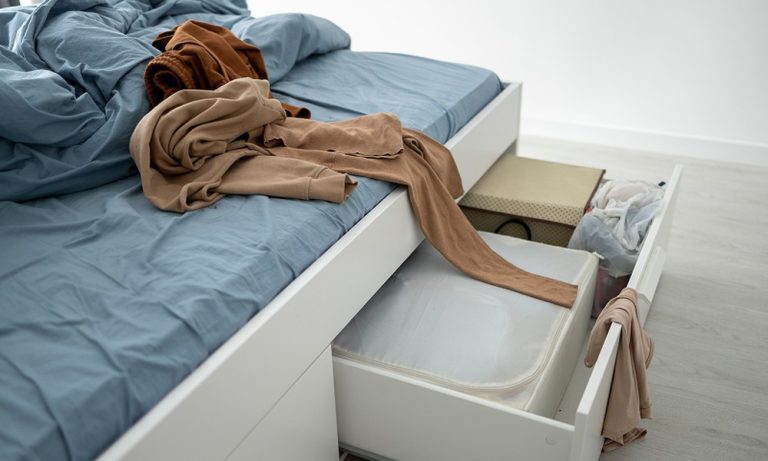
The most significant advantage of a storage bed frame is its ability to serve two purposes at once. In a small bedroom, finding space for a wardrobe or a chest of drawers can be difficult. By utilising the area directly beneath the mattress, these frames provide ample room for items that are not needed daily. Whether it’s spare pillows, heavy winter blankets, or even old textbooks, having a dedicated spot for them helps maintain a tidy environment.

There are generally two types of storage designs: drawers and gas-lift mechanisms. Drawers are excellent for frequent access, but they require enough clearance on the sides of the bed to pull them out. On the other hand, gas-lift frames allow you to lift the entire mattress base, revealing a large compartment underneath. This is often a better choice for very narrow rooms where side clearance is non-existent. By choosing this multi-functional furniture, you can often eliminate the need for an extra cupboard, freeing up valuable floor space for movement.

The Appeal of a Standard Single Bed Frame

While storage-focused designs are practical, a standard single bed frame has its own unique appeal, particularly regarding the visual weight of a room. Traditional frames often feature legs that elevate the bed off the floor, creating a gap. This open space allows the eye to see more of the floor, which can trick the brain into thinking a small room is larger and less congested. If you prefer a minimalist or Scandinavian aesthetic, a simple frame can contribute to a calm and uncluttered atmosphere.

Furthermore, a standard single bed frame is typically lighter and easier to move. This makes it a great choice for children’s rooms where you might need to rearrange the furniture as they grow or to make cleaning easier. Without the added weight of built-in drawers and heavy bases, these frames are also generally more affordable. For those on a budget or for guest rooms that aren’t used daily, a simple frame provides the necessary comfort without the higher cost of integrated storage solutions.

Assessing Accessibility and Room Layout

Before making a final decision, it is essential to measure your room accurately. A storage bed frame with side drawers might look great in a showroom, but it becomes useless if it’s placed against a wall or in a corner where the drawers cannot open. If your room layout is restricted, the standard frame or a gas-lift storage model would be far more practical. Accessibility should always be a primary consideration, as struggling with poorly placed furniture can be a daily source of frustration.

Consider also the height of the bed. Storage frames are often taller to accommodate the compartments underneath. For a small child or an elderly guest, a high bed might be slightly more difficult to climb into. Conversely, a standard single bed frame can come in various heights, including low-profile designs that feel modern and sleek. By matching the frame type to the physical layout of your room and the needs of the sleeper, you ensure that the furniture enhances the space rather than hindering it.

Durability and Maintenance Considerations

The complexity of a storage bed frame means there are more moving parts to consider. High-quality runners for drawers and reliable hydraulic pumps for gas-lifts are essential for long-term durability. When investing in a storage model, it is wise to choose a reputable brand to ensure these mechanisms don’t fail after a few months of use. These beds are often heavier and more robust, providing a very stable sleeping platform.

A standard single bed frame, being simpler in construction, often requires less maintenance. There are no mechanisms to oil or drawers to align. However, because the space underneath is visible, it can become a magnet for dust bunnies. If you choose a standard frame, you will need to clean under the bed regularly to maintain a healthy sleeping environment. Ultimately, the choice comes down to whether you prefer the extra work of cleaning under a bed or the convenience of having everything tucked away in a closed compartment.

Conclusion

Both storage and standard bed frames have a place in small bedroom design. A storage bed frame is the ultimate problem-solver for those lacking cupboard space, providing a neat way to organise belongings. Meanwhile, a standard single bed frame offers a timeless, airy look that can prevent a small room from feeling cramped. By evaluating your storage needs, room dimensions, and personal style, you can select a bed that not only fits your space but also improves your daily life.

Searching for the ideal sleep solution for your compact bedroom? Whether you need a space-saving storage bed frame or a classic single bed frame, we have the perfect options for you. Contact Harvey Norman Malaysia today to find high-quality furniture that transforms your home.

Key Highlights

  • The height of the bed frame and mattress together should allow for easy entry and exit from the bed.
  • Slatted bed frames require specific mattress types to ensure even weight distribution and prevent sagging.
  • A designer bed frame acts as the visual anchor, but the mattress dictates the actual quality of your rest.
  • Coordinating the thickness of the mattress with the height of the headboard is essential for a balanced look.

Introduction

Creating a beautiful and functional bedroom requires more than just picking out expensive pieces; it requires a thoughtful harmony between style and substance. While many people spend weeks researching the perfect mattress, they often treat the bed frame as an afterthought. Conversely, some focus entirely on the aesthetics of designer furniture in Singapore but end up with a sleeping surface that doesn’t fit the frame’s structural requirements. To achieve the ultimate bedroom experience, you must consider the mattress and bed frame as a single unit. When these two components are perfectly paired, they not only enhance the visual appeal of your sanctuary but also work together to provide the best possible support for your body.

1. Determining the Ideal Combined Height

The first thing to consider when pairing a mattress and bed frame is the overall height of the set. Ideally, when you sit on the edge of the bed, your feet should rest flat on the floor with your knees at a ninety-degree angle. If you choose a low-profile designer bed frame, you may want a thicker, plush mattress to bring the bed to a comfortable height. On the other hand, if you opt for a grand, tall bed frame, a thinner mattress might be necessary to prevent the bed from becoming a climb to get into. This balance is not just about comfort; it also ensures that the proportions of the furniture look correct within the scale of your room.

2. Matching Support Systems to Mattress Types

Different bed frames offer different support systems, and not all mattresses are compatible with every one. For example, a slatted bed frame is excellent for breathability, but if the slats are too far apart, a pocketed spring mattress might begin to sag between the gaps. When shopping for designer furniture in Singapore, ask about the slat spacing. Most foam or latex mattresses require slats to be no more than seven centimetres apart. If you have a solid platform base, your mattress will feel firmer because there is no give from the frame. Understanding these mechanical interactions ensures that your mattress performs as intended and stays within its warranty guidelines.

3. Aesthetic Harmony with the Headboard

A designer bed frame often features a stunning headboard that serves as the room’s focal point. However, if your mattress is too thick, it can obscure a significant portion of a beautiful tufted or carved headboard. Conversely, a mattress that is too thin might leave an awkward gap between the top of the mattress and the bottom of the headboard. When selecting your mattress and bed frame, check the stacking height of your pillows and bedding. You want enough of the headboard to remain visible to make a design statement, even when the bed is fully dressed with decorative shams and cushions.

4. Weight Distribution and Frame Longevity

Mattresses, especially high-quality latex or hybrid models, can be incredibly heavy. Before you commit to a specific mattress, ensure that your chosen bed frame is built to support that weight, along with the weight of two adults. High-end designer furniture in Singapore typically uses reinforced steel or solid hardwood frames that are up to the task. However, it is always worth checking the weight capacity of the central support rail and the legs. A frame that is not sturdy enough may begin to creak or even warp over time, which will eventually damage the structure of the mattress itself. Proper support is the key to protecting your investment in both pieces.

Conclusion

The relationship between your mattress and your bed frame is the most important factor in your bedroom’s success. By paying attention to height, structural compatibility, and visual proportions, you create a space that is as restful as it is beautiful. Don’t be afraid to ask for technical specifications when browsing designer pieces, as these details ensure that your furniture works in harmony. When the foundation is solid, and the comfort is tailored to your needs, you can enjoy a bedroom that truly feels like a five-star retreat every single night.

Contact Cellini Design Center to find the perfect pairing of comfort and designer style.

Key Takeaways

  • Commercial mould removal fits into a structured, multi-stage process
  • Commercial mould remediation goes beyond surface cleaning
  • Discover how each stage in the lifecycle prevents recurring mould issues
  • Early detection and proper response protect business operations

Introduction

Mould develops gradually, often unnoticed, until it begins to affect indoor air quality, building materials, and even daily operations. In commercial environments, the presence of mould is an inconvenience and a risk. Addressing this issue requires more than a quick fix. Both commercial mould removal and commercial mould remediation are part of a structured lifecycle, designed to identify, contain, eliminate, and prevent mould growth. Understanding these processes helps businesses respond effectively and reduce long-term impact.

Stage One: Detection and Early Assessment

Mould can develop in hidden areas such as behind walls, under flooring, or within ventilation systems. By the time it becomes visible, the problem may already be widespread. In commercial mould removal, early detection involves identifying not just the presence of mould, but also the conditions that support its growth. Moisture, poor ventilation, and temperature fluctuations are common contributing factors. This initial stage sets the foundation for effective commercial mould remediation.

Stage Two: Containment and Risk Control

This stage prevents the spread of spores to unaffected areas, which is critical in commercial spaces where operations may continue during the process. Containment measures in commercial mould removal often include physical barriers, controlled airflow, and specialised filtration systems. These steps limit cross-contamination and protect both occupants and unaffected parts of the property. In commercial mould remediation, containment is a precaution and a necessity. Without it, attempts to remove mould can inadvertently spread spores, making the problem more difficult to manage.

Stage Three: Removal and Cleaning

The removal phase requires a systematic approach to ensure that all contaminated materials are treated. In commercial mould removal, technicians use specialised equipment and cleaning agents to eliminate mould from surfaces. In some cases, materials that cannot be cleaned may need to be removed entirely. Commercial mould remediation extends this process by addressing both visible and microscopic contamination. Air filtration systems are used to capture airborne spores, ensuring that the environment is thoroughly cleaned.

Stage Four: Drying and Environmental Stabilisation

Mould thrives in damp conditions, making moisture control a critical part of the lifecycle. In commercial mould remediation, this stage involves the use of dehumidifiers, air movers, and monitoring equipment to achieve optimal conditions. The goal is to restore a stable environment where mould cannot easily return. By stabilising the environment, businesses reduce the likelihood of recurring issues.

Stage Five: Restoration and Repair

Once the environment is stabilised, the focus may involve repairing or replacing materials during the cleaning process. This can include repainting, reinstalling fixtures, or rebuilding structural elements. Commercial mould remediation considers the physical restoration and the long-term resilience of the space. Adjusting materials and designs improves ventilation or reduces moisture retention, supporting future prevention efforts.

Stage Six: Prevention and Long-Term Management

Without addressing the root causes of mould growth, the problem is likely to return. Effective commercial mould remediation includes identifying and resolving these underlying issues. For businesses, prevention reduces the need for repeated commercial mould removal and supports a healthier indoor environment. Regular inspections and monitoring can detect potential issues early, allowing for timely intervention.

The Hidden Costs of Skipping Stages

One of the most common mistakes in mould management is attempting to skip stages in the lifecycle. Focusing solely on cleaning without addressing moisture issues can lead to recurring problems. In commercial mould removal, incomplete processes may provide temporary relief but fail to resolve the underlying cause. Commercial mould remediation emphasises a comprehensive approach, where each stage supports the next. By following the full lifecycle, businesses can achieve more reliable and lasting results.

Why Process Matters

Understanding the lifecycle of mould management highlights the importance of process. Each stage plays a role in ensuring that the issue is addressed. For commercial properties, this structured approach supports operational continuity. It allows businesses to manage risks effectively while maintaining a safe environment for employees and customers. By viewing commercial mould removal and commercial mould remediation as interconnected processes, it becomes easier to make informed decisions and prioritise long-term outcomes.

Conclusion

Mould management is not a single action but a continuous process. From initial detection to long-term prevention, each stage in the lifecycle contributes to a more effective and sustainable solution. By understanding how commercial mould removal fits within this broader framework, and how commercial mould remediation ensures lasting results, businesses can approach the issue with greater clarity. The value of this lifecycle lies in its ability to transform a reactive process into a proactive one, where prevention becomes as important as resolution.

Need a structured approach to mould issues? Get in touch with BELFOR Singapore and explore commercial mould remediation services for effective and lasting results today.