
Author

Edward Lopez

Browsing

Key Highlights

  • Insta360 cameras capture everything in every direction, eliminating the need to aim your shot.
  • The Invisible Selfie Stick effect creates third-person perspectives that look like drone footage.
  • Traditional cameras offer higher raw image quality and better performance in low-light settings.
  • 360-degree cameras allow for creative reframing in post-production, giving you multiple shots from one recording.
  • Durability and waterproof features make action-oriented 360 cameras ideal for adventurous travel.

Introduction

The world of digital storytelling has evolved rapidly, moving from static snapshots to immersive video experiences. When it comes to capturing your memories, you are no longer limited to the standard rectangular frame of a traditional camera. The rise of the Insta360 has introduced a new way of thinking about photography and videography. No longer do you have to worry about whether you are pointing the lens in the right direction; these devices capture the entire world around you at once. However, for many creators in Singapore, the question remains: is a 360-degree system a better investment than a high-quality traditional mirrorless or action camera? Understanding the unique strengths of each will help you decide which tool fits your specific content style and creative vision.

1. Never Miss a Moment with 360 Capture

The most transformative feature of an Insta360 is its ability to record in all directions simultaneously. With a traditional camera, you have to be behind the viewfinder, making decisions about framing in real-time. This can often mean you miss the reaction of the person behind you or a sudden event happening to the side. With 360-degree technology, you simply hit record. In post-production, you can reframe the footage, choosing exactly where the camera should look at any given second. This flexibility essentially gives you a multi-camera setup from a single, pocket-sized device. It is an incredible advantage for solo travellers or vloggers who want to be present in the moment while still capturing every detail of their surroundings.

2. The Magic of the Invisible Selfie Stick

One of the most iconic looks associated with the Insta360 is the drone-like third-person view. Because of the way the dual lenses stitch the image together, the software can completely remove the selfie stick from the final footage. This results in a perspective where the camera appears to be floating in mid-air, following you as you walk, cycle, or ski. A traditional camera would require a dedicated operator or a drone to achieve a similar effect, both of which are more cumbersome and often restricted by local regulations. For creators looking to add high-production value to their social media content without a full crew, this single feature is often the deciding factor in choosing a 360-capable device.

3. Image Quality and Professional Standards

While 360 cameras excel at creativity and convenience, traditional cameras still hold the crown for raw image quality. A standard camera typically has a much larger sensor, allowing it to capture more light and detail. This results in superior performance in low-light environments and a more natural bokeh or background blur. If your primary goal is high-end landscape photography, professional portraits, or cinematic video that requires extensive colour grading, a traditional mirrorless system is still the industry standard. The 360-degree footage, while impressive, must be stretched across a sphere, which can sometimes lead to a loss of sharpness when compared to a dedicated flat-frame lens.

4. Portability and Action-Ready Design

For the adventurer, the physical design of the camera is just as important as its internal specs. Most Insta360 models are built to be rugged, waterproof, and extremely portable. They fit easily into a pocket or a small bag, making them the perfect companion for a day of hiking or exploring the streets of a new city. While action-oriented traditional cameras also offer durability, the ability of the 360 model to stay mounted in one position while capturing everything around it makes it much more versatile for sports. You can mount it to a helmet or a bike handle and forget it’s there, knowing that the advanced FlowState stabilisation will keep your footage buttery smooth regardless of the terrain.

Conclusion

Deciding between an Insta360 and a traditional camera comes down to your creative priorities. If you value spontaneity, unique perspectives, and the ability to reframe your shots after the event, the Insta360 is a revolutionary tool that opens up endless possibilities. However, if you are a purist who demands the highest possible resolution and the finest control over light and optics, a traditional camera remains a vital part of your kit. Many modern creators find that these two tools complement each other perfectly. By identifying whether you want to capture the whole story or a perfect moment, you can choose the hardware that best tells your personal narrative.

Beyond capturing beautiful moments, you deserve to experience them in style. Contact Harvey Norman Singapore to find out how we can provide you with a premium driving experience that matches your adventurous spirit.

Key Takeaways

  • Commercial consumers have the flexibility to negotiate rates based on their specific business operating hours.
  • Regular audits of electrical equipment can identify energy leaks that contribute to high monthly bills.
  • Selecting a retailer with dedicated commercial support can save time on administrative tasks and billing queries.

Introduction

Running a commercial enterprise involves a constant balancing act between maintaining high-quality service and keeping overhead costs under control. One of the most significant expenses for any physical location is the cost of electricity in Singapore, which can fluctuate based on global fuel prices and local demand. Unlike residential users, businesses often have complex power needs, ranging from industrial refrigeration to round-the-clock server maintenance. Fortunately, the competitive retail market allows business owners to move away from standard regulated tariffs and find bespoke solutions. By being strategic about your energy procurement, you can free up capital to reinvest in other areas of your business growth.

The Commercial Energy Market

The first step in reducing your expenditure is to understand the landscape of small business electricity suppliers available to you. These providers offer a variety of plans specifically designed for different industry types, such as retail, food and beverage, or professional services. For example, if your business primarily operates during standard office hours, you might benefit from a plan that offers lower rates during the day. Conversely, if you run a restaurant that stays open late, an off-peak discount could be more beneficial. Taking the time to provide retailers with your historical usage data allows them to create a quote that reflects your actual consumption patterns rather than an estimate.

Enhancing Operational Efficiency

Beyond just finding a lower rate, true cost management involves reducing the total amount of energy your business consumes. Many modern energy contracts now include access to sophisticated monitoring tools that provide a granular view of your power usage. These tools can help you identify if machinery is being left on overnight or if your cooling systems are working harder than necessary due to poor insulation. Simple upgrades, such as switching to high-efficiency lighting or installing motion sensors in stockrooms, can lead to substantial long-term savings. When you combine a competitive rate with efficient habits, the impact on your bottom line is immediate and noticeable.

Checking the Fine Print in Business Contracts

Business energy contracts are often more detailed than residential ones, making it crucial to read every clause before committing. Pay close attention to “pass-through” costs, which are charges from the grid operator that the retailer might pass directly to you. You should also check for “load-following” clauses, which could affect your price if your usage fluctuates significantly from month to month. A reliable provider will be transparent about these details and offer a fixed-price contract that provides budget certainty. This predictability is vital for small businesses that need to manage cash flow and plan their annual budgets with precision.

The Value of Professional Account Management

For many small business owners, managing utilities is just one of many tasks on a long to-do list. Choosing a retailer that offers a dedicated account manager can be a game-changer. This person can help you navigate billing questions, assist with contract renewals, and provide advice on how to further reduce your consumption. Having a single point of contact simplifies the administrative process and ensures that any issues are resolved quickly. This level of service is often what separates a basic energy provider from a true business partner. Investing in a relationship with a high-quality supplier pays dividends in terms of time saved and peace of mind.

Conclusion

Managing the cost of electricity in Singapore does not have to be a source of stress for your commercial operations. By actively engaging with small business electricity suppliers, you can find a plan that supports your specific operational needs and financial goals. The shift toward a competitive market has given you more power to negotiate and more tools to monitor your consumption than ever before. Regularly reviewing your energy strategy ensures that you are always getting the best possible value for your money. With a bit of research and a focus on efficiency, you can significantly reduce your overhead and focus on what you do best, running your business.

Contact Flo Energy Singapore and discover how a professional energy partner can help your business thrive.

Key Highlights

  • A storage bed frame provides hidden space to keep bedrooms clutter-free and organised.
  • Standard single bed frames offer a lighter aesthetic that can make a room feel more spacious.
  • Consider the ease of access to storage compartments in tight quarters before purchasing.
  • Budget and long-term storage needs should dictate which frame type is most suitable.

Introduction

Furnishing a small bedroom requires a strategic approach to balance comfort with floor space. In many urban apartments and smaller family homes, every square inch counts. When it comes to choosing the right sleeping arrangement, the debate often centres on whether to prioritise hidden utility or a minimalist profile. A storage bed frame and a traditional single bed frame both offer distinct advantages for compact living. While one provides a clever way to hide away seasonal items and linens, the other offers a classic look that keeps the room feeling airy. This article compares these two popular options to help you determine which one will best serve your needs in a limited space.

The Benefits of Integrated Storage

The most significant advantage of a storage bed frame is its ability to serve two purposes at once. In a small bedroom, finding space for a wardrobe or a chest of drawers can be difficult. By utilising the area directly beneath the mattress, these frames provide ample room for items that are not needed daily. Whether it’s spare pillows, heavy winter blankets, or even old textbooks, having a dedicated spot for them helps maintain a tidy environment.

There are generally two types of storage designs: drawers and gas-lift mechanisms. Drawers are excellent for frequent access, but they require enough clearance on the sides of the bed to pull them out. On the other hand, gas-lift frames allow you to lift the entire mattress base, revealing a large compartment underneath. This is often a better choice for very narrow rooms where side clearance is non-existent. By choosing this multi-functional furniture, you can often eliminate the need for an extra cupboard, freeing up valuable floor space for movement.

The Appeal of a Standard Single Bed Frame

While storage-focused designs are practical, a standard single bed frame has its own unique appeal, particularly regarding the visual weight of a room. Traditional frames often feature legs that elevate the bed off the floor, creating a gap. This open space allows the eye to see more of the floor, which can trick the brain into thinking a small room is larger and less congested. If you prefer a minimalist or Scandinavian aesthetic, a simple frame can contribute to a calm and uncluttered atmosphere.

Furthermore, a standard single bed frame is typically lighter and easier to move. This makes it a great choice for children’s rooms where you might need to rearrange the furniture as they grow or to make cleaning easier. Without the added weight of built-in drawers and heavy bases, these frames are also generally more affordable. For those on a budget or for guest rooms that aren’t used daily, a simple frame provides the necessary comfort without the higher cost of integrated storage solutions.

Assessing Accessibility and Room Layout

Before making a final decision, it is essential to measure your room accurately. A storage bed frame with side drawers might look great in a showroom, but it becomes useless if it’s placed against a wall or in a corner where the drawers cannot open. If your room layout is restricted, the standard frame or a gas-lift storage model would be far more practical. Accessibility should always be a primary consideration, as struggling with poorly placed furniture can be a daily source of frustration.

Consider also the height of the bed. Storage frames are often taller to accommodate the compartments underneath. For a small child or an elderly guest, a high bed might be slightly more difficult to climb into. Conversely, a standard single bed frame can come in various heights, including low-profile designs that feel modern and sleek. By matching the frame type to the physical layout of your room and the needs of the sleeper, you ensure that the furniture enhances the space rather than hindering it.

Durability and Maintenance Considerations

The complexity of a storage bed frame means there are more moving parts to consider. High-quality runners for drawers and reliable hydraulic pumps for gas-lifts are essential for long-term durability. When investing in a storage model, it is wise to choose a reputable brand to ensure these mechanisms don’t fail after a few months of use. These beds are often heavier and more robust, providing a very stable sleeping platform.

A standard single bed frame, being simpler in construction, often requires less maintenance. There are no mechanisms to oil or drawers to align. However, because the space underneath is visible, it can become a magnet for dust bunnies. If you choose a standard frame, you will need to clean under the bed regularly to maintain a healthy sleeping environment. Ultimately, the choice comes down to whether you prefer the extra work of cleaning under a bed or the convenience of having everything tucked away in a closed compartment.

Conclusion

Both storage and standard bed frames have a place in small bedroom design. A storage bed frame is the ultimate problem-solver for those lacking cupboard space, providing a neat way to organise belongings. Meanwhile, a standard single bed frame offers a timeless, airy look that can prevent a small room from feeling cramped. By evaluating your storage needs, room dimensions, and personal style, you can select a bed that not only fits your space but also improves your daily life.

Searching for the ideal sleep solution for your compact bedroom? Whether you need a space-saving storage bed frame or a classic single bed frame, we have the perfect options for you. Contact Harvey Norman Malaysia today to find high-quality furniture that transforms your home.

Key Takeaways

  • Engaging in a structured farewell provides a vital psychological anchor for those navigating the immediate fog of bereavement.
  • Transparent discussions regarding funeral package prices reduce secondary stress, allowing the focus to remain on emotional recovery.
  • A communal gathering serves to reinforce the social support network, reminding the grieving that they do not walk this path alone.

Introduction

Facing the loss of a close friend or relative is an experience that leaves many feeling adrift in a sea of logistics and heavy emotions. It is during these quiet, difficult moments that we often look for ways to honour a life lived with dignity and grace. Arranging memorial services offers a dedicated time for reflection that can be instrumental in the initial stages of the healing process. While the practicalities might seem overwhelming, these ceremonies serve a much deeper purpose than mere tradition, acting as a bridge between the shock of loss and the gradual acceptance of a new reality.

1. A Dedicated Space for Collective Healing

Gathering with others who shared a connection to the departed creates an environment where grief is communal rather than isolated. When we sit together in a shared space, the stories told and the memories recounted provide a multifaceted view of a person that we might not have held individually. This collective storytelling validates the pain of the bereaved and transforms an individual burden into a shared experience of remembrance. It is a vital step in acknowledging the reality of the passing, which is often the hardest hurdle to clear in the early days of mourning.

2. Clarity Through Financial Transparency

Looking at the various options for a farewell requires a clear understanding of the costs involved to ensure the focus stays on the person being honoured. Many families find that reviewing funeral package prices early on provides a sense of control and clarity during an otherwise chaotic period. By understanding what is included in different options, you can make decisions that align with the values and wishes of your loved one without the added pressure of unexpected expenses. This transparency allows for a dignified tribute that respects both the memory of the deceased and the practical needs of the living, ensuring that the ceremony remains a source of peace rather than a cause for financial anxiety.

3. The Preservation of Personal Legacy

Beyond the immediate farewell, these gatherings act as a formal archive of a person’s impact on the world and those around them. They provide an opportunity to highlight specific achievements, quirks, and kindnesses that defined a life, ensuring these details are passed down to younger generations. By carefully selecting elements that reflect a unique personality, families create a lasting impression that transcends the day of the service itself. This intentional focus on legacy helps survivors find a sense of purpose and continuity, turning a moment of profound sadness into a meaningful celebration of a unique journey.

Conclusion

Choosing to hold a ceremony is an act of profound respect that benefits the living as much as it honours those who have passed. Whether through quiet reflection or a larger gathering, memorial services provide the structure needed to navigate the complexities of grief with a sense of community and support. By addressing both the emotional and practical aspects of a farewell, families can find a path toward healing that is both respectful and sustainable. Ultimately, the value of these moments lies in their ability to bring people together, providing a sturdy foundation for the long journey of remembrance and the eventual finding of peace.

Contact Confidence Funeral Services to discuss how a personalised tribute can support your family during this time.

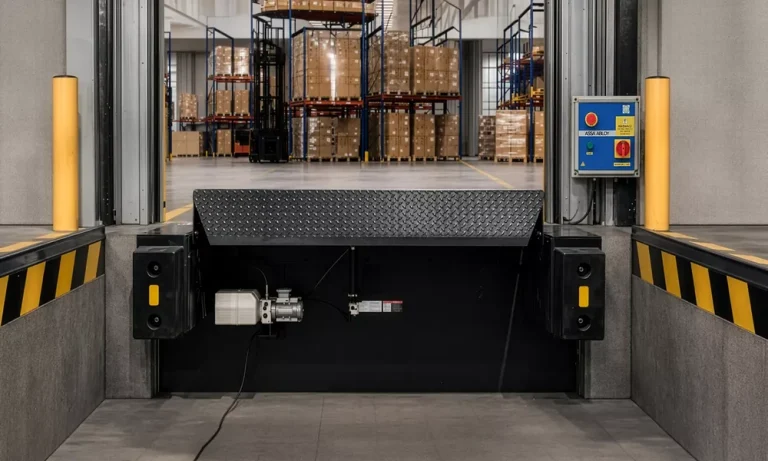
A factory humming with efficiency, a distribution center that adapts to rapid market shifts, a pharmaceutical plant meeting the strictest safety codes, successful industrial architecture makes these realities possible. But what separates an ordinary warehouse from a facility that powers business growth? The answer is a combination of design principles that tackle technical, operational, and human needs, all while navigating a minefield of constraints.

Challenges in Industrial Architecture Projects

Industrial projects rarely follow a straight path. Every project comes with layers of complexity, starting with the need to meet highly specific functional requirements. Whether it is climate-controlled storage, clean rooms, or heavy equipment access, each industry places unique demands on the design.

Designers must also strike a delicate balance between aesthetic appeal and utility. While the main focus is on operational performance, a well-designed industrial building can also boost worker morale and even reflect the company’s brand. Then there are environmental and regulatory constraints: increasingly strict building codes, green certifications, and local zoning all shape the project’s parameters. Finally, budget and timeline pressures are relentless. Delays or cost overruns are not just inconvenient, they can disrupt entire supply chains.

Core Design Principles Addressing Industrial Challenges

The most successful projects are built on flexible and adaptable designs. In today’s economy, spaces may need to support rapid shifts in production or technology. This makes modular layouts and adaptable infrastructure invaluable.

Material selection and durability form another cornerstone. Industrial buildings face heavy wear and tear, so robust materials and smart construction methods are essential for keeping maintenance costs manageable. Efficient space utilization is not about cramming more into less, but about designing with movement and workflow in mind. Whether it is optimizing racking systems or streamlining loading zones, every square meter counts.

Finally, integration of technology and automation is no longer optional. The best industrial spaces are designed to accommodate robotics, real-time monitoring systems, and high-speed logistics tools from the start, ensuring future upgrades can be deployed with minimal disruption.

Sustainability as a Pillar of Successful Industrial Architecture

Sustainability has become a non-negotiable in industrial architecture. Forward-thinking firms embed energy efficiency into every stage, from LED lighting and optimized HVAC systems to strategic siting that leverages natural light and ventilation. The choice of sustainable and recyclable materials cuts both operational costs and environmental impact.

Waste reduction strategies, such as designing for material reuse during renovations, help keep projects lean and green. Mitigating environmental impact also goes hand-in-hand with regulatory compliance and community goodwill.

The Role of Collaboration and Client Involvement

No industrial project thrives in a vacuum. Tailoring solutions to client needs and budgets demands open dialogue from the earliest concept stages. Architects, engineers, and stakeholders must coordinate seamlessly, often across multiple disciplines and time zones.

Expert advice extends beyond blueprints. For example, the Stendel + Reich industrial architect team is known for supporting clients with insights on real estate negotiations and long-term facility planning, not just the building design itself. This holistic involvement contributes to high levels of client satisfaction and repeat business.

Innovations Driving Modern Industrial Architecture

Industrial architecture is undergoing a quiet revolution thanks to digital tools. Smart building systems, like advanced sensors and IoT integrations, allow real-time monitoring and predictive maintenance. Building Information Modeling (BIM) is transforming how teams collaborate, visualize, and resolve challenges before construction even begins.

Modular and prefabricated construction techniques speed up timelines and improve quality control, reducing on-site labor and minimizing waste. Meanwhile, advanced safety and accessibility features are integrated from day one, making facilities safer and more inclusive.

Case Studies: Exemplars of Successful Industrial Architecture

Consider the portfolio of Stendel + Reich Architecture Inc., whose Canadian projects demonstrate these principles in action. For instance, a logistics center might leverage modular construction for rapid expansion, while pharmaceutical or food processing plants are designed for airtight hygiene and seamless workflow. In each case, the adaptability, durability, and technology integration have led to measurable outcomes: reduced downtime, significant cost savings, and glowing client feedback.

Actionable Steps for Designing Successful Industrial Architecture Projects

For teams embarking on similar projects, several steps can make the difference between mediocrity and excellence:

– Conduct thorough needs assessments and feasibility studies at the outset.

– Design for flexibility so future tweaks or expansions do not require gut renovations.

– Prioritize sustainable practices right from the earliest design sketches.

– Maintain transparent, honest client communication throughout every phase.

Ensuring Long-Term Success and Adaptability

The most resilient industrial facilities are those prepared for change. This means laying groundwork for ongoing maintenance and upgrades, and planning for future expansion or technology shifts. But it also means building genuine client relationships. Satisfied clients return again and again, turning a well-executed project into a long-term partnership that benefits both sides.

In industrial architecture, success is not just about the blueprint. It is about designing a foundation, literal and figurative, that supports growth, innovation, and the evolving needs of people and businesses.

Key Takeaways

  • Material safety determines comfort and long-term usability.
  • Flexibility affects control and ease of use during different positions.
  • Proper cleaning and maintenance support hygiene and durability.

Introduction

Buying a double dildo requires more thought than a standard purchase, especially when browsing options from a sex store in Singapore, where product variety continues to expand. Buyers often focus on size or appearance at first, yet the experience depends more on material, structure, and usability over time. Without considering these aspects, a product that looks suitable may feel uncomfortable or difficult to use in practice. Many people only realise this after trying something that does not match their expectations, which leads to unnecessary replacements. Understanding how design and material influence comfort helps narrow down options and supports a more confident decision before making a purchase that aligns with both comfort and practicality.

1. Material Quality and Body Safety

Material plays a central role in how a product feels and performs during use, especially for something designed for repeated contact with the body. High-quality silicone remains one of the most reliable options because it offers a smooth texture while remaining non-porous, which reduces the risk of irritation. This also makes cleaning more effective after each use, helping maintain hygiene over time. Lower-grade materials may feel acceptable initially, yet they can degrade faster or retain residue that becomes difficult to remove. Choosing a body-safe material ensures that the product maintains its condition and supports consistent use without creating avoidable discomfort or long-term maintenance concerns.

2. Flexibility and Structural Design

A double dildo relies on flexibility to accommodate different positions and levels of control, which makes structural design a key consideration. Some designs feature a firmer core that provides stability, while others prioritise softness for easier movement. The right balance depends on how the product will be used, as excessive rigidity can limit comfort while too much flexibility may reduce control. Evaluating how the structure bends and returns to shape helps determine whether it aligns with expected use. A well-balanced design allows for smoother handling, which becomes important during longer sessions where comfort and control need to work together.

3. Length and Proportion Considerations

Length influences how the product can be used across different scenarios, which makes proportion more important than simply choosing the longest option available. A longer design may provide more range, yet it can also become harder to manage if not balanced correctly with flexibility. Shorter options offer easier handling but may limit positioning depending on individual preference. Considering how length interacts with grip and structural support allows buyers to choose a size that remains practical rather than overwhelming. This approach helps ensure that the product feels manageable rather than restrictive during actual use.

4. Ease of Cleaning and Maintenance

Maintenance directly affects both hygiene and longevity, especially for products intended for frequent use. Non-porous materials simplify cleaning because they do not absorb moisture or residue, which allows for more thorough sanitation after each session. Buyers should also consider whether the product can withstand standard cleaning methods without losing shape or texture over time. Regular maintenance becomes easier when the material supports quick and consistent cleaning, which reduces the effort required to keep it in good condition. A product that is easy to maintain encourages proper care, which in turn supports long-term usability.

5. Storage and Discreet Handling

Storage often receives less attention, yet it influences how well the product maintains its condition between uses. Flexible designs may require adequate space to prevent bending in ways that affect their original shape, while certain materials benefit from being kept away from heat or direct sunlight. Discreet storage solutions also help maintain privacy without compromising accessibility, which matters in shared living environments. Considering where and how the product will be stored ensures that it remains in good condition and ready for use when needed, without unnecessary wear or exposure.

Conclusion

A well-chosen product reflects careful attention to material, design, and maintenance rather than surface-level features. When these elements align, the overall experience becomes more comfortable and easier to manage over time. Taking the time to evaluate each factor helps avoid common issues that arise from unsuitable choices, allowing buyers to focus on practicality and long-term use rather than repeated replacements or adjustments.

Contact Horny.sg to get guidance on choosing body-safe and well-designed options suited to your needs.

When a loved one passes away overseas, families face an added layer of complexity. Beyond the emotional weight of the situation, they must navigate unfamiliar procedures involving different authorities, international logistics, and cultural expectations. It is why many families turn to repatriation services for structured guidance. Experienced funeral directors handle the requirements and coordinate the entire process with sensitivity. Understanding the essential stages helps families stay informed and reduces confusion during a challenging time.

1. Confirming Requirements With Local And Foreign Authorities

Repatriation begins with determining which authorities must be notified and what procedures need to be followed. Each country has its own requirements for documentation, permits, and timelines. Funeral directors coordinate with embassies, consulates, healthcare institutions, and local officials to ensure compliance. Their experience helps families avoid mistakes that could delay the return of their loved one.

2. Securing Official Documentation

Proper paperwork is the foundation of every repatriation case. Families need documents such as the death certificate, no infectious disease endorsement, and permits for transportation. These documents must align with regulations set by both the departure and arrival countries. Repatriation professionals guide families through each requirement so nothing is overlooked. This support helps reduce unnecessary stress during an already difficult period.

3. Preparing The Loved One For Transport

Once documentation is complete, the next step involves preparing the loved one for international transport. It can include embalming, placement in a suitable coffin, and adherence to specific technical standards required for air travel. Funeral directors oversee this process to ensure that preparation follows international guidelines. Their careful attention maintains dignity and a smooth transition between the involved agencies.

4. Coordinating With Airlines And Transport Partners

Flight arrangements are a core part of repatriation services. The process involves working with airlines, cargo teams, and handling agents who specialise in transporting human remains. Funeral directors manage these communication channels so families do not need to handle complex scheduling or logistics themselves. They ensure that timelines are aligned and that every detail is executed.

5. Handling Customs And Clearance Procedures

Upon arrival, the loved one must go through customs and clearance checks before being released to the receiving parties. Each country requires specific inspections and signed documents before transport can continue. Experienced funeral directors coordinate these steps to prevent delays. They understand how to meet customs requirements and ensure that all parties involved receive accurate information at the right time.

6. Arranging Local Transport And Follow-Up Care

After customs clearance, the coffin or urn must be transported to the designated location. It may be a family home, a funeral parlour, a place of worship, or a burial site. Funeral directors handle this final stage of transport safely and respectfully. They also guide families on the next steps, including preparation for funerals, wakes, or final rites. This steady support helps families regain a sense of control as arrangements progress.

7. Supporting Families Through Cultural And Religious Considerations

Repatriation cases often involve cultural preferences, religious guidelines, and family traditions. Funeral professionals aid families in maintaining these practices while ensuring compliance with international requirements. They clarify which elements can be performed during transport and which are better observed after arrival. This sensitivity allows families to honour their loved one in a way that reflects their beliefs.

Conclusion

Repatriation requires collaboration between many agencies, detailed documentation, and careful coordination. Families managing loss across borders benefit from professional guidance that keeps each stage organised and respectful. Repatriation services support this process by ensuring that transport, clearance, and preparation are handled with meticulous care. Skilled funeral directors help families move through these responsibilities more confidently, giving them space to focus on remembrance and healing.

Contact Casket Fairprice to find out more about setting up repatriation services or to ask knowledgeable funeral directors for assistance.

Parents often worry about baby sleep safety. Proper bedding keeps infants warm and secure. Now you must choose the right gear carefully. This guide helps you find the best items.

Selecting a quality sleep sack is the first step. You want your child to feel cozy. The right fabric makes a huge difference here.

Understanding Seasonal Temperature Needs

The nursery temperature changes with the weather. You need to monitor the room heat levels. But different seasons require specific fabric weights. Cotton works well for mild spring days. The material feels light on young skin. So you avoid overheating during the night hours. Soft fabrics from Minky Couture offer great comfort. These items stay durable through many wash cycles. You should check the room thermometer every evening.

Selecting Fabrics for Summer Months

Summer heat makes sleep very difficult for babies. Lightweight muslin provides excellent airflow for the body. You want thin layers during the July heat. The fabric allows skin to breathe quite easily. But you must avoid heavy blankets in summer.

Simple cotton blends work perfectly for warm nights. Now the baby stays cool and also dry. Every parent wants a peaceful night of rest. This choice prevents sweating and discomfort for infants.

Preparing for the Cold Winter Nights

Winter requires much thicker materials for better warmth. Fleece provides a soft layer against the chill. Sometimes the house feels quite cold in January. You should look for quilted options for insulation. The thick fabric traps heat near the body. Minky Couture creates very plush items for winter. These high quality pieces feel like a hug. But the baby still moves with total freedom. Safety remains the top priority during the winter. You will feel better knowing they are warm.

Balancing Comfort During Autumn and Spring

Transition seasons bring very unpredictable weather patterns daily. One night feels warm while another feels cold. You need versatile options for these changing months. Medium weight fabrics bridge the gap quite nicely. The layers provide warmth without too much bulk. Now you can adjust the clothing underneath easily. Simple long sleeves work well with these sacks. You find the perfect balance for your nursery. This flexibility helps the baby sleep through transitions.

Checking for Quality and Safety Features

Safety stays the most important part of shopping. You must check the zippers for smooth operation. Proper fit prevents the fabric from rising up. But the neck hole should not be loose. High quality stitching ensures the item lasts long. Now you can trust the brand for durability.

Minky Couture focuses on premium materials for every child. The design supports healthy hip development for babies. You want a product that meets all standards. This investment protects your most precious little one.

Life’s busy, budgets matter, and nobody wants to bounce between multiple shops just to tick off a simple list. That’s where SaveBarn NZ makes things easier. With a wide range of everyday essentials, home and outdoor gear, tools, storage, and practical accessories, you can shop smarter in one place and keep more money in your pocket for what really counts.

Whether you’re refreshing the home, gearing up for a weekend project, or stocking up on the basics, the best savings come from two things: choosing products that actually suit your routine, and cutting down the time spent hunting for them. Here’s how SaveBarn helps you do both.

One Place for Everyday Essentials and Unexpected Finds

A broad selection isn’t just about having “more stuff”-it’s about having the right mix of useful items that suit real Kiwi households. When your shopping basket can cover multiple needs at once, you save on extra trips, reduce impulse buying elsewhere, and keep the week running smoothly.

What You Can Tick Off in One Shop

From home and kitchen items to storage, DIY tools, and outdoor gear, having a variety of categories under one roof means you can tackle your to-do list faster.

  • Practical homeware to keep daily routines simple
  • Storage and organisation products to reduce clutter
  • Tools and accessories for quick fixes and weekend jobs
  • Outdoor and seasonal gear ready when you need it

Better Value Without Overcomplicating It

Saving money isn’t always about buying the cheapest option-it’s about choosing items that last, do their job well, and don’t need replacing after a short run. When you focus on practical features and reliable materials, you end up spending less over time.

How to Shop for Real Value

Start with what you use most often. These are the items that should be dependable and easy to maintain.

  • Choose durable materials that handle daily wear
  • Look for simple designs that are easy to clean and store
  • Prioritise multi-use products that cover more than one job
  • Plan around seasons so you’re ready before demand spikes

If you’re planning a getaway, sorting travel gear early makes the trip far more relaxing. A caravan setup can involve plenty of moving parts, so having access to a wide range of practical supplies in one place can take the stress out of pre-trip prep-especially when you’re trying to get everything sorted on a tight timeline.

Make Home, Garage, and Outdoor Tasks Easier

When you’ve got the right gear, small jobs stay small. Instead of struggling with awkward loads, messy storage, or missing basics, you can get things done quickly and get back to your day.

Tools and Gear That Support Busy Weeks

Even simple upgrades can make a big difference, especially if you’re doing regular household tasks, DIY work, or garden maintenance.

A hand trolley is one of those practical items you’ll wonder how you lived without. Moving heavy boxes, appliances, tools, or bulk supplies becomes safer and faster, with less strain on your back and fewer trips back and forth.

A Simple Shopping Plan to Save Time and Money

Action Steps You Can Use Today

  1. Write two short lists: “need now” and “need soon.”
  2. Start with essentials that improve daily routines and reduce hassle.
  3. Add one item that helps with organisation or transport.
  4. Check sizes and storage space so everything fits your home.
  5. Keep a running list for future purchases so you can shop efficiently next time.

With SaveBarn NZ’s vast selection, you can streamline your shopping, cut down on wasted time, and find better value across the things you genuinely use. It’s a practical way to stay organised, stay on budget, and keep life moving-without the extra running around.

Customisation has become a standard expectation among consumers who want products that feel personal and functional at the same time. Phone accessories are no exception, especially as more people seek a custom-made phone case that reflects their style or brand identity. This trend has expanded alongside the popularity of customised gifts in Singapore, raising a practical question: does personalisation compromise durability, or can custom designs offer long-term protection?

How Durability Depends on the Base Material

Durability starts with the material, and this is where many misconceptions arise. A custom-made phone case is not automatically weaker than a store-bought option; the actual strength depends on whether the case uses silicone, TPU, polycarbonate, or hybrid materials. TPU and hybrid combinations usually provide better shock absorption, making them more suitable for consumers who drop their devices regularly. Polycarbonate cases offer rigidity but can show scratches faster unless they come with a matte or textured finish. Once customers order customised gifts for colleagues or clients, they often assume the printed design is the fragile part, but the structure matters more than the artwork. The case is likely to wear out quickly, regardless of how advanced the printing process is, if the manufacturer uses a cheap base material to cut costs.

Impact of Printing Techniques on Longevity

Durability also depends on the printing method used to apply customised art. Traditional surface printing tends to fade, especially with constant friction from bags, pockets, or hands. However, UV printing and sublimation printing anchor the design deeper into the case material, allowing it to resist peeling and water damage. This quality is critical for businesses ordering customised gifts, as they need the artwork—often a logo or campaign message—to remain intact for branding purposes. While specific finishes may look glossy and appealing at first glance, they may also show scratches more quickly, so buyers should check the type of coating offered. A durable design should survive frequent handling, exposure to sunlight, and contact with rough surfaces without degrading too fast.

How Everyday Use Affects Wear and Tear

Durability is also tied to how people use their phones daily. Someone who places their device face-down on abrasive surfaces will see faster wear, even on high-quality cases. Heat exposure from prolonged charging, direct sunlight, or humid environments also affects the lifespan of printed designs. A well-made custom-made phone case should support the device through regular handling, occasional drops, and minor knocks without cracking or deforming. Many users prefer slim cases for aesthetic reasons, but slim profiles may trade off impact resistance. Customers must balance design preferences with practical protection to ensure the recipient actually benefits from the item.

Why Manufacturing Quality Matters More Than Customisation

The market for customised gifts is competitive, and this drives some providers to prioritise speed and cost over durability. Manufacturing shortcuts, low-quality adhesives, or weak coatings reduce the lifespan of both the artwork and the case itself. Buyers should always check production details such as the thickness of the material, the printing technique, and whether the design is sealed with a protective layer. Reputable manufacturers usually provide sample images, customer reviews, and even material specifications. Customisation becomes the least important factor without these indicators; it is the production quality that ultimately dictates whether the case lasts.

Conclusion

A custom-made phone case can be as durable as any mass-produced option, provided it uses strong materials and reliable printing techniques. Customisation does not inherently weaken the product, but poor manufacturing can. While consumers and businesses continue to explore the market for customised gifts, choosing the right supplier remains the most important step in ensuring longevity and practicality. Remember, with the proper balance of material quality, printing technology, and realistic expectations of daily wear, customised phone cases can offer both personal expression and dependable protection.

Contact Artjumma to discover a customised phone case that balances style and durability.