Category

Travel

Category

Forty-three players, seventeen parents, six chaperones, and one coach who forgot to book the hotel until three weeks out. Sound familiar? Team travel goes sideways when planning is treated as an afterthought, and a tournament trip should never be an afterthought.

Myrtle Beach is one of the most popular sports travel destinations on the East Coast for good reason. The weather cooperates, the facilities are solid, and there’s enough off-field activity to keep an entire roster engaged between games. But “popular” also means competition for rooms, field times, and restaurant reservations, especially in peak season. Getting there happy, housed, and on budget takes a real plan. Here is one that works.

Why Myrtle Beach Keeps Winning Team Business

The numbers tell a clear story. Sports tourism in the City of Myrtle Beach produced $174.2 million in direct spending during the 2023 calendar year, up from $154.7 million in 2022, according to the City of Myrtle Beach’s official report released in March 2024. That growth didn’t happen because teams stumbled into a good experience. It happened because the destination actively built infrastructure around sports groups.

Baseball was the city’s biggest economic contributor at $53 million, followed by dance at $37.6 million and fast-pitch softball at $21.4 million. But the sport mix is wide. Sporting events include traditional team sports alongside activities like pickleball, wrestling, volleyball, soccer, gymnastics, and cheerleading. Whatever your team plays, there’s a slot for you here.

The proximity factor matters too. Most teams drive in, arriving from North Carolina, Virginia, Georgia, and the mid-Atlantic states within a half-day on the road. No connecting flights, no cargo fees for equipment bags, no airline schedule roulette.

The ROSTER Method: A Six-Step Planning Framework

Experienced team managers work through six decisions in order. Skip one, and the one after it falls apart. Call it the ROSTER approach: Reserve, Organize, Set the budget, Tour the venue, Eat strategically, Recover properly.

Reserve Early and Reserve Right

Block your rooms before you register for the tournament. Not after. Oceanfront resort inventory disappears in spring for summer events, and group rate windows close faster than most coaches expect. Contact group sales departments directly rather than booking through third-party sites. You’ll get a negotiated rate, a dedicated contact, and the flexibility to adjust your room count as your roster firms up.

Prioritize properties that include bus parking, on-site breakfast, and room blocks large enough to keep the whole group together. Splitting a team across two hotels across town is a logistical nightmare on game day mornings.

Organize by Role, Not by Room

Assign a trip captain, ideally a parent volunteer or assistant coach, whose only job is communication logistics. That person handles the check-in list, meal counts, and the group chat. The head coach should not be answering questions about pool hours at 10 p.m. the night before a quarterfinal.

Set the Budget Honestly

Travel costs are the single biggest budget line in youth sports, a reality that’s well-documented. Travel is now the costliest feature in youth sports: on average across all sports, parents spent more annually on travel ($260 per sport, per child) than on equipment ($154), private lessons ($183), registration fees ($168), or camps ($111), according to the Aspen Institute’s Project Play initiative, as compiled at projectplay.org. That average covers all kids, not just travel teams, so club and tournament families often see those figures run higher.

Build your per-player cost estimate using four buckets: lodging, tournament fees, meals, and activities. Then add a 10% buffer. Surprises happen, and they’re always more expensive than you planned.

Here’s a rough planning table for a three-night trip with 20 players.

Budget Category Per-Player Estimate (3 nights) Notes
Lodging (shared rooms) $120 to $180 Lower with group rate and 3 to 4 per room
Tournament registration $60 to $100 Split across roster
Meals (breakfast covered) $45 to $70 Assumes on-site breakfast plus 2 meals out
Activities and extras $30 to $50 Boardwalk, SkyWheel, mini-golf
Buffer (10%) $25 to $40 Fuel, incidentals, fees

Tour the Venue Ahead of Time

If geography allows, send one person to scout the sports complex in the weeks before the trip. Parking flow, restroom locations, shade availability, and distance to the nearest fast-casual restaurant all affect the game-day experience more than people expect. If a site visit isn’t possible, call the complex directly. Most facilities have dedicated tournament staff who’ll walk you through the layout on a phone call.

Eat Strategically

Large groups and peak-season restaurants are a slow collision waiting to happen. Make reservations for any sit-down dinner the moment your tournament bracket is confirmed, not the day of. Better yet, lean on properties that offer breakfast or catering on site. One morning meal you don’t have to wrangle 25 people to a restaurant for is one less variable on game day.

Grocery runs work well for lunches. A team-sized cooler loaded the night before beats a 45-minute wait for a full-group lunch seating at a packed oceanfront spot.

Build In Real Recovery Time

This one gets ignored most often. Athletes who spend every waking hour either competing or traveling arrive home exhausted and more prone to minor injury. Build one unstructured afternoon into the itinerary. Pools, beach time, a quick boardwalk walk. The team that rests briefly plays sharper in the final rounds. Coaches who’ve made this trip multiple times will tell you the same thing.

What to Look for in a Group Accommodation

Not every resort is set up for sports groups, and the differences show up in small, annoying ways. Before you commit, run through this checklist.

  • Does the property offer dedicated group rates and room blocks, or does it treat every booking as individual?
  • Is there free bus or motorcoach parking on site?
  • Is breakfast available on property, or does every morning become a logistical event?
  • Are the pools and fitness areas actually accessible during your stay, or are they overwhelmed by other guests?
  • How close are you to the sports facility? Calculate the actual drive time during morning traffic, not just the miles.

Properties like Myrtle Beach sports group rentals at Grande Shores are designed specifically with team logistics in mind, including free bus parking, daily breakfast options, beach access, and room configurations ranging from hotel-style rooms to multi-bedroom condos with full kitchens, which is useful when your team spans a wide age range or when coaches need a private space to review film and strategy.

“When you include the travel component, there is real money being thrown at youth sports today,” said John Engh, executive director of the National Alliance of Youth Sports, noting how financial stakes shape both the planning and expectations around team travel.

That reality cuts both ways. Higher stakes mean teams are more serious about getting the trip right, which makes the investment in a purpose-built group property worth every dollar.

Timing Your Trip Around the Tournament Calendar

Myrtle Beach runs tournaments across a wide seasonal window. Spring and early summer bring the heaviest youth sports traffic. Fall is often underrated: temperatures are still beach-friendly, crowds thin out, and rates tend to drop. Winter is slower but workable for indoor sports.

Book your lodging before the tournament publishes its hotel list. Once that list goes out to all registered teams, group inventory moves fast. Being first in the door gives you the best room selection and the most negotiating room on rate.

Your team worked hard to get to a tournament in one of the country’s top sports travel destinations. The trip itself shouldn’t cost you energy you need for competition. Plan the details early, delegate the logistics, and let Myrtle Beach do the rest of the work.
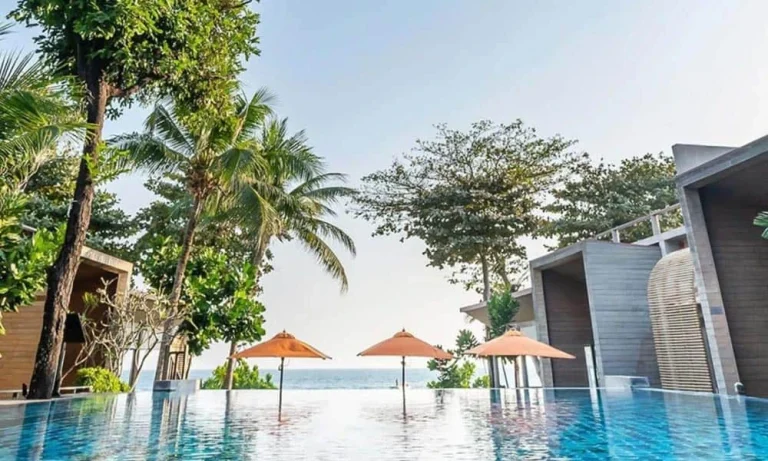

Soft daylight with leafy surroundings, and room layouts can shape a stay. A beach resort can bring scenery closer through windows and open balconies with natural tones. Furnishings add order without making the room feel crowded. These spaces balance features with fresh surroundings, giving guests an inviting place for quiet mornings and relaxed evenings at the karon beach resort.

Natural Views Through Large Windows

Wide windows bring outdoor scenery into the room while keeping interiors bright. Green surroundings add visual interest without requiring extra decoration. Clear glass can connect sleeping areas with balconies or garden views while maintaining privacy. Soft curtains let guests adjust daylight according to their daily rhythm while creating a pleasant setting within the resort. Natural framing can make the room brighter during daytime hours.

Modern Interiors With Clean Lines

Simple shapes create an organized setting that feels current without becoming cold. Streamlined furniture keeps movement easy while leaving room for personal belongings. Neutral shades work well with timber details plus textured fabrics and gentle lighting. Thoughtful placement of seating plus tables and storage supports everyday use without making the room feel crowded. Open floor areas leave room for easy personal movement.

Private Spaces For Daily Relaxation

A well planned room can support different parts of the day. A well-arranged bed area offers rest while a separate seating corner creates room for reading or quiet conversations. Some layouts include a private outdoor area where guests can enjoy fresh air without leaving their accommodation. Thoughtful spacing between functional zones can also reduce clutter. Such spacing keeps daily activities clear and manageable for guests staying at a karon beach resort.

Room Features Supporting Easy Stays

Useful furnishings make a room practical without adding unnecessary detail. Modern lighting gives guests control over brightness for different activities. Storage areas help keep personal items arranged neatly while charging points keep essential devices ready. Mirrors plus work surfaces and climate controls placed within easy reach can support a smoother routine. These additions support morning preparation through evening routines.

Key Amenities For Indoor Use

Several room details can support simple routines during a stay. Each feature can serve a clear purpose while keeping the setting visually tidy.

  • Soft lighting creates a warm setting for reading during evenings.
  • Spacious storage keeps clothing and belongings neatly arranged throughout.
  • Private balconies provide fresh air beside attractive outdoor surroundings.
  • Adjustable room controls help guests manage temperature throughout their stay.
  • Seating areas offer convenient space for reading or quiet conversations.

Natural Materials Adding Warmth

Wood textures plus woven details and stone accents can add warmth indoors. These materials create contrast against clean furniture shapes without making the room feel overly decorated. Natural finishes connect interior details with gardens plus trees and open skies outside. Gentle colours support visual balance while windows remain central. The resort can use these choices to connect rooms with nature.

A well-considered room can make daily moments easier through thoughtful planning. Natural surroundings plus useful furnishings and open views create a setting that supports rest without excess decoration. Guests can enjoy practical room features while staying connected with outdoor scenery. Careful choices in lighting plus materials and storage help create an inviting place suitable for different schedules easily overall.

Anybody familiar with the hurdy-gurdy must know that it is a string instrument with its roots in the Middle Ages in Europe. Originally, it was used for sacred music but later evolved to play folk tunes, and gained popularity at the French court for a while.

Over time, the hurdy-gurdy fell out of favor and became unfamiliar to many. However, there’s been a recent resurgence of interest in the hurdy-gurdy, both in North America and Europe. You can find more interesting details about the instrument in a hurdy gurdy book.

Hurdy Gurdy Origins

The exact origins of the hurdy-gurdy are not known. One theory suggests that the Moors from North Africa brought it to Europe during their invasion of Spain. They brought various string instruments, potentially including a precursor to the hurdy gurdy.

The earliest version of the hurdy-gurdy, known as an organistrum, dates back to the 12th century. This larger instrument required two musicians to operate and was primarily used for sacred music in churches. However, its design allowed for the adaptation to play secular music as well.

In the following century, the organistrum was downsized, enabling solo performance and leading to the development of the hurdy-gurdy as we know it.

Significant improvements were made to its key action to make playing easier and produce complex harmonies and faster melodies, particularly suited for dance music. As a result, the hurdy-gurdy shifted from its original sacred music role to folk and popular tunes.

Why Is It Named A Hurdy Gurdy?

Nobody knows why they call the hurdy-gurdy that name in English. The name only started being used in the 18th century. Some people think it might be related to “hurly burly”, which means a lot of noise and confusion. That could be because the instrument makes a loud sound.

In French, it’s called a vielle a roue, which means a “wheel fiddle”, describing how it works better.

Final Words

The hurdy-gurdy has a rich history with uncertain beginnings. Despite its unclear origin, it has evolved and remains popular in music today. Its unique sound and cultural significance highlight its appeal and contribution to musical diversity.

Excited about your upcoming beach holiday? Amidst packing swimsuits and sunscreen, don’t overlook your precious locks.

The constant sun exposure and salty air can leave your hair dry, dull, and frizzy. But fear not! By following a few simple beach hair care tips, you can flaunt those curls while keeping your hair healthy throughout the trip.

In this post, we will tell you how to prep and protect your hair for a fun beach day out!

Pre-Trip Preparations For Your Hair

Before hitting the beach, it’s crucial to prepare your hair to keep it healthy and looking its best. Here are some tips to follow:

  • Start with a quality trim

Before your beach getaway, make sure to book an appointment at the hair salon for a trim. By trimming your hair regularly, you can avoid split ends and prevent your hair from looking dull.

Plus, it helps you get rid of damaged ends, resulting in a lively look during your beach adventures.

  • Deep condition your hair

After a nice trim, the next step is to deep condition your hair. This is an essential step that provides nourishment and moisture to your strands, readying them for saltwater and sun exposure.

Deep conditioning works wonders in repairing damaged or dry hair, making them stronger and more hydrated.

  • Apply a clarifying shampoo

It is easy for pollutants, hair products, and minerals to accumulate in your hair, making it look dull and feel heavy.

Before your beach adventure, consider using a clarifying shampoo to get rid of these impurities from your hair. It will not only clean but also deliver a nourishing effect to your locks. Using a clarifying shampoo revives the natural vibrancy of your hair, ensuring it looks its best as you enjoy the beachy atmosphere.

Final Words

Taking care of your hair before a beach holiday is essential to ensure it remains shiny, healthy, and ready to withstand the sun and saltwater. By following the tips given in this post, you can prepare your hair for a fun beach adventure. With the right hair care tips, you can enjoy your beach outing without worries.

If you are looking forward to an island trip this summer, Menorca would be a great choice. This beautiful island offers a lot of natural things to see, including the white sandy beaches, fishing towns, traditional events, and a gorgeous Castle.

Once you reach Menorca, you will want to be able to move around the island at your speed. This is where car hire services blend into the picture. To find out important details about car hire Menorca, you should give this post a read.

Average Cost Of Car Rentals In Menorca

Costs for hiring a car in Menorca vary depending on several factors, including the car type, travel duration, time of year, and finally the rental company you choose.

During off season that is in May June, and October, prices are usually more affordable because there are fewer tourists. At this time, you can hire mod-range or economy cars at a much lower rate.

However, during the peak season that is from July to September prices increase two times due to increased demand and limited supply. Renting a car at this time even for a short duration will cost you a lot of money. However, if you are renting a car for a week or longer, you may get a discount.

Booking Your Car Rental In Advance

Renting a car in Menorca in advance helps you reap several benefits. These include:

  • Better Rates

Car rental services tend to offer more favorable rates to customers who pre-book their rides.

  • Availability

Renting a car during the summer can be challenging due to excessive demand. This is why it is advisable to book in advance, so you can select your preferred model, make, and optional extras.

  • Convenience

Pre-booking your rental car saves you a great deal of time upon your arrival in Menorca. You can skip the search for a rental agency, and start exploring the island right away.

Final Words

Opting for a car rental in Menorca gives you the freedom to explore the island at your own pace. To enhance your traveling experience, make sure to plan and book your ride in advance. This way you can secure better rates, ensure vehicle availability, and enjoy a hassle-free traveling experience.

If you are considering a move to a more rural area, you have probably thought a lot about the obvious pros and cons of being further away from a large city and all the possible amenities that offers. A few things you may miss about being near a city are the cultural, entertainment, dining, and other various opportunities that cities offer.

However, the trade-off to living in a more rural area may appeal to some. If you are thinking of moving to a rural area, consider these reason that you should settle down there:

More Land

This is one of the more obvious reasons, and probably one of the top reasons people may choose to live rurally. In the city, space is limited, and you may be lucky to have a balcony, small green space, or nearby public park to visit. Even suburbs offer defined yards space, bound by neighbors’ yards.

But rural living offers unbound acreage if that is what you desire. You can buy a wooded property with seemingly infinite area to develop or leave as you please. With all of this land, comes possibilities and freedom (within the legal bounds of your town or county).

Privacy

Closely related to the issue of land space is the idea of privacy. While living in a city may have you sharing a building, or even an apartment with others, and suburbs put you in close proximity with your neighbors, living in a rural area can give you the privacy that some desire.

Your nearest neighbor in a rural area may be miles away, which can be a plus for those looking for some peace and privacy, but can also be a con in times of emergency. If you do seek the privacy of rural living, just be sure that you have a plan in place and emergency contacts should you need them.

Animals

Rural living is definitely a great option for animal lovers. If you already have pets and are feeling cramped in a city apartment or a suburban backyard, rural living could be just the thing that your active dog needs. Or you can expand your family to include horses, chickens, or more. If you have the land, the means, and the proper paperwork, you can even expand to a full farm.

If farming is not on your radar, but you still love animals, rural living will also expose you to more varied wildlife than city life. You can birdwatch or maybe even sneak a peek of some deer, fox, or other wildlife on your property.

Active Lifestyle

Rural living is also great for those who have an active lifestyle and love the outdoors. If you love hiking, living on a rural property will put the hiking trail right in your backyard. Living in a rural area also puts you closer to other natural areas perfect for outdoor recreation.

For example, if Banff, Alberta is on your list of possible rural areas to live in and you have glanced at Banff homes for sale, you can see that you will be near so many opportunities for outdoor recreation, including the national park, Rocky Mountains, Lake Louise, and more, which offer opportunities for skiing, snowboarding, hiking, snowshoeing, and so much more.

As you can see, there are many reasons to live rurally. If you are already considering a move to a more rural area, you are probably aware of the tradeoffs, and if you find that the pros outweigh the cons, you will be ready to settle down surrounded by nature.  

If you are planning to visit a camping ground with your family and friends, I’m sure you know that if you pack it in, you should pack it out. Not only pertaining to your belongings only but everything you have with you when you get there. However, as a responsible camper yourself, you should also know that you need to protect nature. Yes, enjoy it, but don’t destroy it – a general rule of thumb.

Many camping and hiking sites that you know have this major principle – leave no trace at all – which means leave nature as unchanged by our presence as possible so that future generations can enjoy it too. Needless to say, we need to lessen our impact and leave as if we weren’t even there.

And in order for that to happen, we all need to know a quite few things about how to be a responsible camper or hiker. We should remember that we were all beginners once, naive of all these rules. So here are some basic but really helpful tips for you:

  1. Plan Ahead of Time

> Know your spot, know what to bring and bring only what’s needed. Also, do not forget to check the forecast. Know the trail conditions to make sure you have the right gear and you are up to the challenges of the trail.

  1. Dispose Your Waste Properly

> In the great outdoors, the smallest actions leave lasting impressions – it will count years until this impact’s gone. Tossing a banana peel in the bushes or picking that beautiful yellow flower along the trail may seem harmless, but every choice we make has the potential to alter the natural balance of our world. So as many guides say, leave the area exactly how you found it and it is never okay to just throw food in the woods.

  1. Minimize campfire damage

>  Plan to use and cook over a stove, not on a campfire. Camping is never complete without a bonfire, but a campfire can do a very significant amount of damage if it’s improperly managed.  If you do build a campfire when spending the night in the woods, learn how to minimize your impact and clean it properly when it’s your time to leave.

This article is certainly not just for the readers who love to hike and camp in their leisure time but for everyone who loves outdoor activities and spends time in nature.

Misool is an island in the Raja Ampat Islands and is included as one of the four largest islands in the Raja Ampat Islands. Misool is an island that is considered a tropical paradise in the Raja Ampat area and is a favorite destination for visitors when vacationing there.

For tourists, both local and foreign, who want to stay here don’t worry, because there are several inns that make your vacation more comfortable. Here we recommend eight lodgings in Misool Raja Ampat.

  1. Yalapale Homestay

The first accommodation is Yalapale Homestay. This inn is located in Harapan Jaya Village, South Misool District, Raja Ampat. Yalapale Homestay carries a building like a bamboo house on stilts with several rooms provided for guests. In each room, there are two beds that are supported by mosquito nets.

The facilities that will be obtained if you stay here are fans and electric plugs in the room. Meanwhile, the facilities in the public area that can be used are two bathrooms, two toilets, toiletries such as towels for each guest, and a dining room made of wood and bamboo similar to a gazebo. Yalapale is a highly recommended place to stay because its location on the beach will make you feel a very pleasant atmosphere.

  1. Nut Watch Homestay

Nut Watch Homestay is an inn built on a very beautiful island., Here the waters are shallow so you can see various kinds of coral reefs and types of fish from the wooden bridge and rooms. This homestay is the only one that offers exotic views and is close to tourist spots loved by tourists while in the Misool islands, such as jellyfish lake tourist spots, Namlol beach, Banos island, Telaga love Karawapop, Lake Love Dafalen, Telaga Love Balbulol, the Sacred Cave, and the Pensive Princess Stone.

To stay here you only need to spend Rp. 500 thousand per night for standard room types (local tourists) and Rp. 600 thousand per night (foreign tourists). For the type of bungalow, you have to spend Rp.700 thousand (local tourists) and Rp. 800 thousand (foreign tourists) while for VIP you have to spend Rp. 1,000,000 per night (local tourists) and Rp. 1,100,000 per night (foreign tourists). This homestay is also equipped with facilities such as a dive center and crew: Guide master, Guide Trip, and chef.

  1. Harfat Jaya Homestay

Harfat Jaya Homestay is a very strategic inn in Misool Raja Ampat. This inn is equipped with very charming landscape and underwater views and can be reached easily, such as Lagoon Love, Namlol Lagoon, and Puncak Harfat.

Here there are 15 rooms that visitors can choose from. Harfat Jaya Homestay itself is located on Yapen Island, Misool, Raja Ampat, Harapan Jaya. At a very cheap price, this inn is perfect for those of you who want to save on vacation expenses.

  1. Panun Paradise Homestay

Panun Paradise Homestay is an inn located on Panun Island, East Misool, West Papua. Owned by Pak Abdul Halim, Panun Paradise Homestay is about 45 minutes to 1 hour by speedboat to the Yapap Lagoon area, after passing a route called Kabalilik Lol.

Having a quiet inn atmosphere is the main attraction for staying here. In addition, Panun Paradise Homestay has delicious traditional food, clean rooms, and friendly service. Unfortunately, the rate of stay at this place is considered too expensive by some tourists. To stay here you have to spend Rp. 750.000/night for double room type and Rp. 950.000/night for single room type.

  1. Lalekai Nature Lodge

Lalekai Nature Lodge is located on a private island yet close to several villages. Lalekai Nature Lodge has accommodations that adopt the concept of nature and local traditions. There is only a network for Telkomsel cards and no wifi for those of you who want to enjoy the internet network.

Here, tourists can do many activities such as Island Jumping, Diving, Snorkeling, Canoeing/ Kayaking, Fishing, and Bird Watching. For Divers, Misool Island is a paradise of spectacular marine life. For non-divers, the views and rock formations of Misool are also stunning.

  1. Cemara Resort & Homestay

Cemara Resort & Homestay is located on Jalan Sapurkren, Saleo Beach, West Waigeo, Raja Ampat, Wes Papua. For those of you who like to stay in a place that has a natural atmosphere, it will be very suitable to stay here.

The location is on the beach and has a variety of facilities that are quite complete. This inn has a minimalist, but very nice place, and guests will eat three times a day. The price of lodging here is around Rp. 522,500 thousand per night.

  1. Misool Eco Resort

Misool Eco Resort is located in Yellu, South Misool, Raja Ampat Regency, West Papua. The resort is surrounded by white sandy beaches with a maximum capacity of 40 people. There are three types of rooms or villas that have been provided at Misool Eco Resort, namely Water Cottages, South Beach Villas, and North Lagoon Villas.

If the rates for Water Cottages and South Beach Villas start at USD 2,825 each, the rental rates for North Lagoon Villas start at USD 3,380. This fee applies to stays of 7+1 nights. With rates that are above average, the facilities provided in this place are indeed classified as premium. Guests will get a comfortable bed, a relaxing area overlooking the sea, mosquito nets, a bathroom, and a private kitchen.

Vacation is more than just the accommodation, and it’s about making long-lasting memories. Discover more adventures in Raja Ampat by visiting Wonderful Indonesia.

Known as one of the largest cities in Sumatra Island, Medan’s development and economic growth is very rapid. Not only in the business field, this city also has a row of places to hang out and culinary delights.

Almost on every corner of the street, there is a suitable location for gathering what is the biggest national park in the us guide with family or friends. For those of you who often go to Medan, check out the following recommendations!

  1. Habitat Coffee

Dominated by wooden furniture, Habitat Coffee is suitable for an afternoon relaxing place. Here, not only can you find coffee, but you can also order other types of drinks, such as tea, milkshakes, and others. This cafe also has an outdoor room with a fairly large grass field.

Location: Abdullah Lubis Street Number 14, Medan Baru District, Medan

Price: IDR 10-50 thousand.

  1. Junction Café

Carrying an industrial concept, Junction Cafe is too bad to miss. The interior is famous for being minimalist and modern, so it’s perfect for those of you who like aesthetic photos. This cafe consists of two parts, indoor on the first floor and outdoor on the second floor. The food menu is quite diverse. Starting from the typical Indonesian to the Western, everything is there. The atmosphere here will make you forget the time.

Location: Jalan Archbishop No. 2, Medan Polonia District, Medan.

Price: IDR 15-60 thousand.

  1. Social Media Cafe

This cafe is always full of visitors. So crowded, there are three branches spread across Medan. Can use several spots to take pictures so that you won’t get bored. The type of food, very different from most other cafes. Sosmed Cafe serves jumbo portions, such as burgers, fried noodles, and a variety of fried rice.

Location: Abdullah Lubis Street Number 8/20, Medan Baru District, Medan.

Price: IDR 15-50 thousand.

  1. The L.Co

The L.Co’s interior design makes visitors feel at home for a long. Carrying a colorful theme with plastic leaves makes this cafe look Instagramable. The indoor and outdoor sections are equally comfortable. The menu itself is quite diverse. You can taste Indonesian and Western dishes here. For drinks, one of the most delicious is avocado coffee.

Location: Jalan Gagak Hitam Number 10 C, Medan Sunggal District, Medan.

Price: IDR 15-60 thousand.

  1. Roemah Kopi Wak Noer

Although the name seems old school, this place is worth considering, you know. Dominated by white color with a touch of wooden ornaments makes the atmosphere feel comfortable and pleasing to the eye. The name may be old fashioned, but the menu is no less contemporary. There is pizza, steak, fried rice, and others. The drinks are also varied, ranging from coffee, tea to traditional Medan drinks.

Location: Polonia Archbishop Street No. 15, Medan Polonia District, Medan.

Price: IDR 15-75 thousand.

  1. Lekker Urban Food House

This hangout place is famous for its various superhero figures. The interior is filled with plastic leaves with perfect lighting. Especially at night, the atmosphere becomes romantic. As for food, you don’t have to worry. You can get various delicious menus, such as pizza, burgers, Swedish meatballs, and others.

Location: Jalan Putri Hijau Number 1, West Medan District, Medan.

Price: IDR 15-65 thousand.

  1. Laurence House

Laurence House is famous as a coffee shop in Medan. Carrying the dominant colors of white and gray makes this cafe different from others. When you enter the cafe, you will be greeted with beautiful artificial cherry blossoms. You can order various types of coffee here, from americano, cappuccino, to macchiato. The typical Indonesian and Western dishes here will spoil your taste buds.

Location: Jalan Petula Number 2A, Medan Baru District, Medan.

Price: IDR 20-70 thousand.

Planning to visit Medan soon? Find out more about Medan and Indonesia by visiting Wonderful Indonesia.

A visit to Bangkok, one of the most bustling cities in Asia may be an alluring prospect. But, while you are out there enjoying what the city offers, here are a few tips for you to have a pleasant tourist experience.

Every year, millions of thousands of people from India visit Thailand, especially the capital city, Bangkok. Known for its bustling nightlife, cheap markets, and plenty of natural landscape, Bangkok is often the first overseas trip for many Indians. You may have heard many stories from your friends and families about their recent visit to the city, and get tips on what to do and how to go about there. It is advisable to do your own research and have a basic knowledge of what to expect when you arrive in Bangkok.

Here are a few important things you must know before visiting Bangkok.

·         Be wary of the pickpockets and take care of your safety

Just like any other big city in the word, Bangkok has its own pros and cons. No matter, if you are travelling alone in the city or with your friends, you must be extra careful of your belongings in the crowded areas, especially around the popular markets. There may be a pickpocket lurking around waiting for an opportunity to snatch your money.

It is always a good practice to avoid putting anything important – money, mobile phones, and other valuable items in your pockets. Instead, put them in a small backpack and keep it in front always. Also, when you are going out to a crowded place, especially to the market, make sure that you carry only the essentials and keep your money secured in a money belt or underneath the clothes. And, always be alert, if you sense something wrong move as far as possible from the spot.

·         Insist on turning the meter down to the taxi drivers

Getting overcharged by a taxi driver is one of the easiest ways to lose your money in Bangkok. Many drivers in the city purposely drive without a meter so that they can scam a tourist. So, to avoid being a soft victim, always ask the taxi driver to start the meter before you get in. Alternatively, you can use the Taxi service app, which is used all over the country and get a ride to your destination at a fair price.

If you are travelling to Bangkok for the first time, be careful about your flight time from Mumbai to Bangkok. It is better to land in the kingdom during the day so that you can get to your accommodation from the airport safely and you can get around easily even if you are lost somewhere.

·         Take the train

Like Mumbai, Bangkok too has a good railways connectivity to all parts of the city. While some destinations are accessible only by roadways, others can be easily reached via train. So, if the places to visit in your itinerary has a train connection, it is better to take the rail route. It is much cheaper, faster, and more importantly safer.

Make sure that you use the train map, which is available at stations so that you easily know where you are travelling to and navigate around safely.

·         Bargain responsibly

A trip to Bangkok is incomplete without indulging in some street-side shopping. After all, it is a shopping mecca. But, like any street side market, all the stores have a ‘local price’ and a ‘tourist price’ so be aware of this and always bargain with the shopkeeper, and you may get the product at half the price than what they quote.

But, bargain responsibly. If you don’t see a price tag on any product, you can ask the merchant to go lower on the price. But, if the merchant is not willing, or if you sense the bargain is not long friendly, don’t get into an argument. It is better to move onto the next shop.

Final Word

Now that you have a few useful tips, make sure that you remember them throughout your time in Bangkok and enjoy a safe and memorable trip.