

Tag

bereavement support

Browsing

Key Takeaways

  • Engaging in a structured farewell provides a vital psychological anchor for those navigating the immediate fog of bereavement.
  • Transparent discussions regarding funeral package prices reduce secondary stress, allowing the focus to remain on emotional recovery.
  • A communal gathering serves to reinforce the social support network, reminding the grieving that they do not walk this path alone.

Introduction

Facing the loss of a close friend or relative is an experience that leaves many feeling adrift in a sea of logistics and heavy emotions. It is during these quiet, difficult moments that we often look for ways to honour a life lived with dignity and grace. Arranging memorial services offers a dedicated time for reflection that can be instrumental in the initial stages of the healing process. While the practicalities might seem overwhelming, these ceremonies serve a much deeper purpose than mere tradition, acting as a bridge between the shock of loss and the gradual acceptance of a new reality.

1. A Dedicated Space for Collective Healing

Gathering with others who shared a connection to the departed creates an environment where grief is communal rather than isolated. When we sit together in a shared space, the stories told and the memories recounted provide a multifaceted view of a person that we might not have held individually. This collective storytelling validates the pain of the bereaved and transforms an individual burden into a shared experience of remembrance. It is a vital step in acknowledging the reality of the passing, which is often the hardest hurdle to clear in the early days of mourning.

2. Clarity Through Financial Transparency

Looking at the various options for a farewell requires a clear understanding of the costs involved to ensure the focus stays on the person being honoured. Many families find that reviewing funeral package prices early on provides a sense of control and clarity during an otherwise chaotic period. By understanding what is included in different options, you can make decisions that align with the values and wishes of your loved one without the added pressure of unexpected expenses. This transparency allows for a dignified tribute that respects both the memory of the deceased and the practical needs of the living, ensuring that the ceremony remains a source of peace rather than a cause for financial anxiety.

3. The Preservation of Personal Legacy

Beyond the immediate farewell, these gatherings act as a formal archive of a person’s impact on the world and those around them. They provide an opportunity to highlight specific achievements, quirks, and kindnesses that defined a life, ensuring these details are passed down to younger generations. By carefully selecting elements that reflect a unique personality, families create a lasting impression that transcends the day of the service itself. This intentional focus on legacy helps survivors find a sense of purpose and continuity, turning a moment of profound sadness into a meaningful celebration of a unique journey.

Conclusion

Choosing to hold a ceremony is an act of profound respect that benefits the living as much as it honours those who have passed. Whether through quiet reflection or a larger gathering, memorial services provide the structure needed to navigate the complexities of grief with a sense of community and support. By addressing both the emotional and practical aspects of a farewell, families can find a path toward healing that is both respectful and sustainable. Ultimately, the value of these moments lies in their ability to bring people together, providing a sturdy foundation for the long journey of remembrance and the eventual finding of peace.

Contact Confidence Funeral Services to discuss how a personalised tribute can support your family during this time.
Key Takeaways

  • Children process grief differently and need clear, age-appropriate explanations before attending a Roman Catholic funeral service
  • Preparing them for rituals, environment, and emotions reduces anxiety and confusion
  • Active guidance during the service helps children stay engaged without feeling overwhelmed
  • Follow-up conversations after funeral services are critical for emotional processing
  • Consistency, reassurance, and honesty are more effective than shielding children entirely

Introduction

Attending a Roman Catholic funeral service can be unfamiliar and emotionally complex for children, especially when structured rituals, solemn settings, and expressions of grief are involved. That said, for families navigating funeral services in Singapore, where cultural and logistical considerations also come into play, supporting children requires preparation rather than avoidance. The objective is not to eliminate exposure to grief but to guide children through it in a controlled, understandable way. This approach ensures they develop a healthy understanding of loss while respecting religious traditions.

Preparing Children Before the Service

Preparation is the most important step in helping children cope. That said, before attending a Roman Catholic funeral service, explain what they will see and hear in simple, direct terms. This instance includes the presence of a casket, the role of the priest, prayers, hymns, and moments of silence. Avoid abstract explanations; children respond better to concrete descriptions, such as “people may cry because they feel sad”, rather than vague statements.

It is also necessary to set behavioural expectations. Explain when they need to remain quiet, when they may sit or stand, and how long the service may last. Wakes and services may extend over several days; clarify which parts they will attend. Giving children a sense of structure reduces uncertainty and allows them to feel more in control of the situation.

Explaining Religious Rituals Clearly

A Roman Catholic funeral service follows a defined structure, including the Liturgy of the Word, Eucharistic prayers, and final commendation. These rituals can feel repetitive or confusing for children if not explained beforehand. Break down the purpose of each segment in simple terms. For example, describe prayers as a way of saying goodbye and asking for peace for the deceased.

Avoid overloading children with theological detail. Focus on meaning rather than doctrine. Additionally, when attending funeral services, you may also encounter local adaptations such as multilingual readings or combined cultural practices. Briefly explain these variations so children understand that differences in language or format do not change the purpose of the service.

Supporting Children During the Service

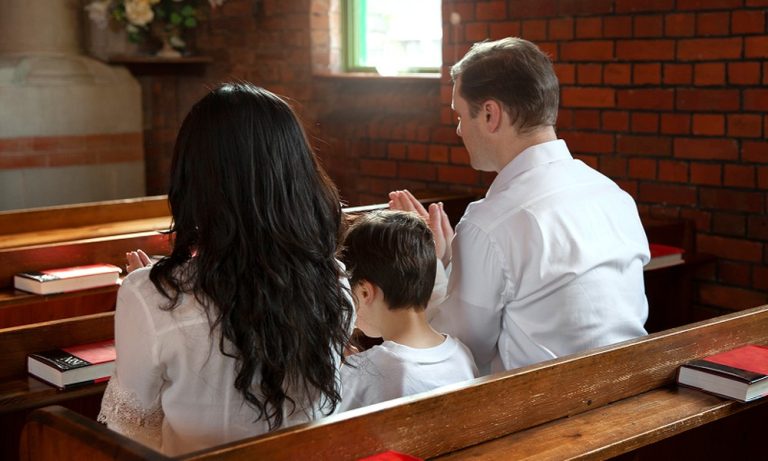
Children, during the Roman Catholic funeral service, should not be left to interpret the environment on their own. Sit with them, quietly guide their behaviour, and provide reassurance when needed. If they become restless or distressed, it is appropriate to step out temporarily without making it feel like punishment.

Encourage observation rather than forced participation. Some children may choose to follow prayers or singing, while others may remain silent. Both responses are acceptable. Additionally, funeral parlours or void decks may present various environmental distractions. Maintain focus by quietly explaining what is happening in real time, especially during key moments such as the final blessing or procession.

Addressing Emotional Responses

Children may react in different ways, including sadness, confusion, indifference, or even inappropriate laughter due to discomfort. These responses should not be corrected harshly. Instead, acknowledge their feelings and provide context. For example, explain that people express grief differently and that their reaction is acceptable.

Additionally, after attending a Roman Catholic funeral service, initiate a conversation rather than waiting for children to ask questions. Ask what they observed and how they felt. Remember, within the context of local funeral services, where multiple events may occur over several days, check in periodically rather than assuming a single conversation is sufficient.

Conclusion

Supporting children through a Roman Catholic funeral service requires structured preparation, clear communication, and ongoing emotional guidance. Exposure to funeral environments is not inherently harmful; lack of explanation is. Families managing funeral services should focus on helping children understand what is happening, why it matters, and how to process their experience. Remember, with the right approach, children can navigate grief in a way that is informed, respectful, and emotionally manageable.

Contact Casket Fairprice to reach out to a team that can carry the operational load while you focus on your family.