
A slow drain feels like a small annoyance. You pour a little drain cleaner, run the water, and move on. Most of the time that works, because most clogs are local: some hair in the bathroom sink, a bit of grease in the kitchen line. But sometimes the clog you’re fighting isn’t in the sink at all. It’s in the pipe that carries everything out of the house, and that’s a different kind of problem, with different stakes. The quickest way to tell which one you have is to notice how many drains are affected.
Tier one: a single fixture
If only one sink, tub, or toilet is draining slowly, the blockage is almost certainly close to that fixture. Hair, soap scum, food waste, and small objects are the usual suspects. A plunger, a drain strainer, or a small hand auger often clears it.
Be careful with chemical drain cleaners. They can damage some pipes and fixtures, and they’re hazardous to handle. If a plunger and an auger don’t clear a single fixture, it’s reasonable to call a plumber, but there’s no reason to assume anything serious is going on yet.
Tier two: several fixtures on the same line
When more than one drain on a floor or in a section of the house runs slowly, the clog has probably moved farther down, into a branch line that serves several fixtures. A bathroom group is a common example. You might notice the shower draining slowly while the toilet in the same bathroom gurgles after a flush.
At this stage, home remedies lose their punch. Repeated clogs in the same line point to a buildup you can’t reach with a plunger, such as grease, scale, or a partial obstruction. This is where a professional drain cleaning, with a larger cable or a water jetting tool, makes sense, and where a camera can show what’s actually in the pipe.
Homeowners in Southeast Texas looking for a plumber in Port Neches should ask what the cleaning will involve, whether a camera inspection is included, and how the plumber will tell you what caused the clog. A good plumber will show you the footage or photos instead of just saying the line is clear.
Tier three: the whole house, or the lowest drain
This is the one to take seriously. If multiple fixtures throughout the house drain slowly at the same time, if toilets gurgle when you run the washing machine, or if water backs up in the lowest drain in the house, such as a shower, tub, or floor drain, the problem is likely in the main sewer line. When wastewater can’t get out, it takes the easiest path back up.
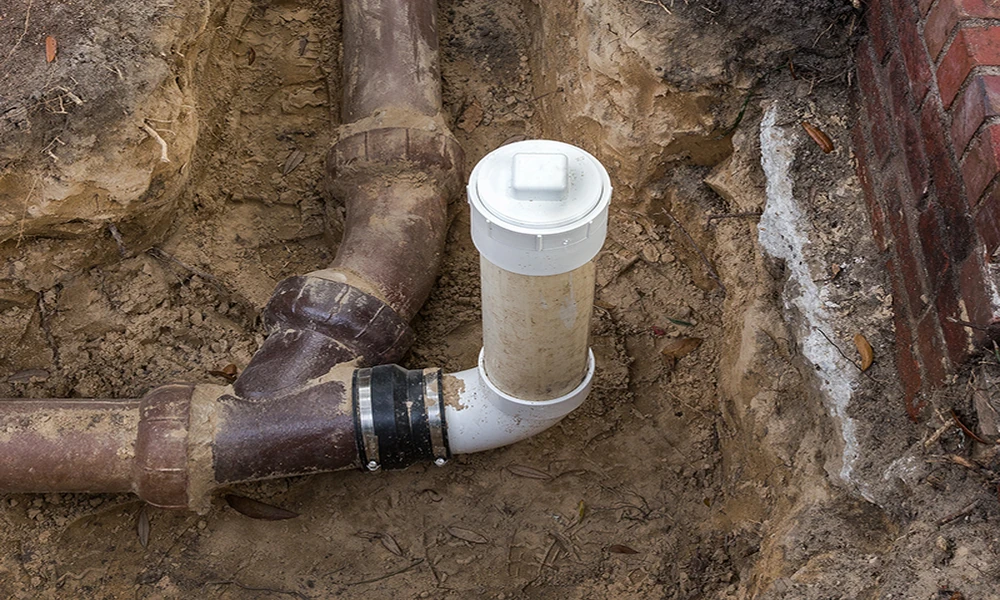
Watch for related signs outside as well: a wet or unusually green patch in the yard, a sewage smell near the cleanout or the lawn, or a depression in the ground above the line. If you have a cleanout, an access pipe with a cap that leads to the main line, a plumber can use it to check the line directly.
Stop using water if you suspect a main line backup. Every flush, shower, or load of laundry adds to what has nowhere to go.
What causes main line problems
A few culprits show up again and again. Tree roots grow toward moisture and slip into tiny cracks or loose joints in sewer pipes, then expand until they form a dense mass. Older homes may have clay or cast iron lines that crack, shift, or corrode. Grease, wipes labeled “flushable,” paper towels, and feminine hygiene products build up over time and form blockages that don’t break down. In regions with heavy rain, groundwater or overloaded municipal systems can contribute too.
Knowing the cause matters because it determines the fix. A greasy clog can be cleared with jetting. Roots can be cut, but they tend to return unless the pipe is repaired or replaced. A collapsed or badly cracked section needs a repair, not just cleaning.
Whose problem is it
The Insurance Information Institute explains in its guide to protecting your house from sewer backups that the sewer lateral, the pipe between the city sewer main and the building, is owned and maintained by the property owner, and that this responsibility includes any part of the lateral that extends into the street or public right of way. The guide lists tree roots and improperly disposed paper products among the causes of backups, and suggests that if roots keep returning, you may need to have them cut regularly or replace the line with new plastic pipe.
If you aren’t sure where the problem is, a plumber can usually determine whether the blockage is in your lateral or in the municipal main, which affects who needs to be contacted. Also check with your insurance company about whether your policy covers sewer backup damage, since that coverage is often an optional add on.
Habits that keep lines clear
Most prevention is simple. Keep grease out of the drain by letting it cool and putting it in the trash. Flush only toilet paper, no matter what the packaging says. Use drain strainers in showers and sinks. Know where your cleanout is. Think about the trees on your property, and if you have a long history of clogs, ask for a camera inspection every few years to catch roots or cracks early.
Where this leaves you
A clog is a small problem until it isn’t. The easiest way to decide how seriously to take it is to count the drains. One slow fixture is a local nuisance, several on the same line suggest a deeper buildup, and the whole house backing up means the main line needs attention now. Match your response to the tier, stop adding water when the main line is involved, and get a camera on the problem so you’re fixing the real cause instead of the symptom.
Do that, and the next time a drain starts running slowly, you’ll know whether you’re looking at a ten minute fix or a call to a professional. That knowledge alone can save a floor, a carpet, and a very unpleasant afternoon.

Comments are closed.