
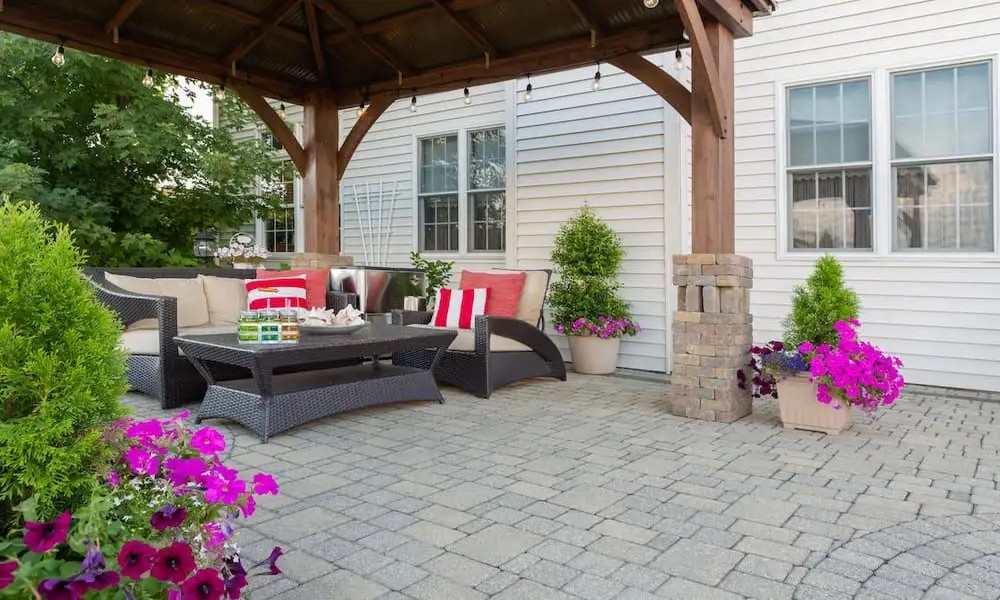
Natural stone pavers are a common choice for outdoor spaces due to their durability and clean look. They work well for patios, walkways, and pool areas where both strength and style matter. In South Florida, weather conditions such as heat and rain make proper installation especially important. A clear step-by-step approach can help ensure the surface stays stable over time.
Step 1: Plan the Layout and Measure the Area
Every installation starts with a clear layout plan. Many homeowners explore natural stone pavers in South Florida when planning outdoor upgrades that match both function and design. Measuring the area helps determine how many pavers and materials are needed. It also allows space for edges and proper alignment.
A layout plan should include patterns, borders, and drainage direction. In South Florida, drainage plays a key role due to frequent rain. A slight slope helps guide water away from structures. Planning ahead can prevent uneven surfaces later.
Step 2: Prepare the Ground and Remove Debris
The next step involves clearing the area completely. Grass, soil, and debris must be removed to create a clean base. In South Florida, sandy soil may require deeper excavation to ensure stability. A solid base helps prevent shifting over time.
After clearing, the ground should be leveled and compacted. This step creates a firm foundation for the layers that follow. Without proper preparation, pavers may sink or move. A well-prepared base supports long-term durability.
Step 3: Add Base Layers for Stability
Base layers help distribute weight evenly across the surface. Crushed stone or gravel is usually added first. In South Florida, this layer helps with drainage and reduces water buildup under the pavers. It also improves the overall strength of the installation.
Key base layer components
- Crushed stone for structural support
- Sand layer for leveling
- Compacting each layer to avoid movement
- Checking slope for water flow
Each layer should be compacted before adding the next one. This step keeps the surface stable and even. A consistent base reduces the risk of uneven pavers. Care at this stage affects the final result.
Step 4: Lay the Pavers and Adjust Alignment
Once the base is ready, pavers can be placed according to the planned pattern. It is also important to choose stones from a reliable supplier to ensure consistent size and quality. Each piece should fit closely with even spacing for a clean finish. In South Florida, proper placement helps maintain alignment even during heavy rain.
A rubber mallet can help set each paver into place. This ensures a firm connection with the base layer. Checking alignment during this step helps avoid larger corrections later. Careful placement improves both appearance and long-term stability.
Step 5: Fill Joints and Secure the Surface
After all pavers are placed, the joints need to be filled. Sand is spread across the surface and brushed into the gaps. Natural stone pavers in South Florida often rely on this step to hold each piece in place. It also helps reduce movement between pavers.
Once joints are filled, the surface should be compacted again. This step locks the pavers into position and creates a firm finish. In South Florida, proper joint filling helps manage water flow and prevent shifting. Final checks ensure the surface is level and secure.
Installing natural stone pavers requires careful attention at each step. From planning to final placement, every stage affects how the surface performs over time. In South Florida, proper drainage and a strong base are especially important. A structured approach can help create a durable and visually balanced outdoor space.

Comments are closed.