
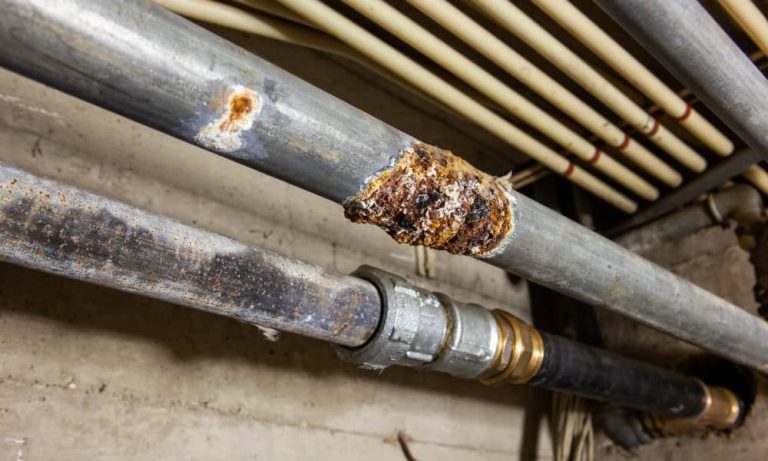
Upgrading an older corrosion protection setup calls for careful evaluation. Many facilities operate with coatings, barriers, or maintenance routines installed years earlier. Over time, exposure, workload, and environmental pressure reduce performance. Once protective layers lose strength, assets face greater vulnerability. An upgrade helps restore confidence in performance and safety, but the path forward requires clarity on several key factors.
Within the first stage of planning, attention usually shifts to suitability and lifecycle value. This is where many teams begin exploring options such as Industrial corrosion protection solutions from Step-Ko Products, as an example of how modern systems aim to support long-term durability. Reviewing stronger formulas, improved application methods, and updated material standards helps decision-makers understand what a next-generation system can truly deliver.
Evaluate Current Weak Points
A thorough review of the existing system should guide the first step. Certain areas might show blistering, metal thinning, or surface pitting. Some signs may look minor but often indicate deeper issues beneath the coating. Once trouble spots become visible, they usually spread faster.
Many older systems were created with formulas that performed well years back, but now fall behind newer standards. Heat, moisture, chemical contact, and movement inside equipment weaken previous layers. By identifying where the system fails most often, the upgrade process becomes more strategic. Attention goes toward zones that demand better resilience and a higher safety margin.
Understand Environmental Stress
Aging systems often struggle when operational conditions shift. Facilities may expand, humidity levels may rise, or equipment may run at higher temperatures. These shifts introduce new burdens that older layers were never designed to handle.
Environmental analysis should review exposure cycles, airflow, moisture patterns, and chemical contact frequency. Each category influences which formula or thickness level is appropriate. Understanding these variables ensures the new system does more than restore protection. It adapts to the actual demands of the current environment and supports equipment through different seasons and workloads.
Ensure Compatibility With Substrates
Each surface requires specific coating traits. Metal types, textures, and shapes affect how well protection holds over time. If the original system used a coating incompatible with the substrate, early deterioration becomes common.
A modern upgrade calls for a closer look at how materials interact. Proper surface preparation plays a huge role in successful adhesion. Abrasion, cleaning, and profiling strengthen the final bond. When compatibility aligns with correct preparation, the new coating resists peeling and degradation.
Consider Application Method and Downtime
Upgrading a corrosion protection system impacts regular operations. Downtime varies based on coating type, number of layers, and curing conditions. Faster application formulas help limit service interruptions while still ensuring a strong barrier.
Facilities must choose between spray, brush, or immersion application methods. Each method offers different levels of control. Complex shapes and tight corners often require more precision. Selecting an approach that covers every angle without excess waste results in a cleaner and more reliable finish.
Evaluate Longevity and Maintenance Requirements
A modern system should reduce long-term care needs. Routine inspections remain important, but the goal is to decrease the frequency of repairs or touch-ups. Stronger coatings help maintain structural integrity even under tough cycles.
Looking at projected lifespan helps justify investment levels. Some advanced systems promise greater durability due to refined chemistry and stronger bonding ability. An upgrade should aim for reduced maintenance expenses, steadier performance, and lower risk of sudden failures.
A thoughtful approach ensures that an upgrade solves long-term concerns rather than offering a short-term fix. Reviewing the condition of assets, understanding the environment, selecting the correct formulas, and planning around operations create a better path toward stronger protection. Many facilities use Industrial corrosion protection solutions from Step-Ko Products, for instance, to understand the standard of performance expected from a modern system. Careful planning secures a stronger, longer-lasting shield that protects equipment, supports productivity, and reduces future risks.