
The stability and integrity of a home depend heavily on a strong foundation. Over time, factors such as soil movement, water damage, poor construction, and natural wear can compromise a foundation, leading to cracks, uneven floors, or even structural failure. Modern house foundation repair employs a combination of innovative techniques and advanced technologies to address these issues effectively, ensuring the long-term safety and value of homes.
House foundation repair is no longer limited to basic patching or temporary fixes. Today’s repair methods focus on diagnosing the underlying causes of foundation problems, stabilizing the structure, and preventing future damage. By utilizing specialized equipment, precision engineering, and tested repair strategies, homeowners can resolve foundation issues efficiently while minimizing disruption to daily life.
Investing in modern foundation repair not only restores structural integrity but also protects the home’s value. Early intervention is crucial, as minor issues can escalate over time, leading to costly repairs. Homeowners who understand the latest techniques and technologies are better equipped to choose effective solutions that offer both safety and long-term savings.
Common Techniques in House Foundation Repair
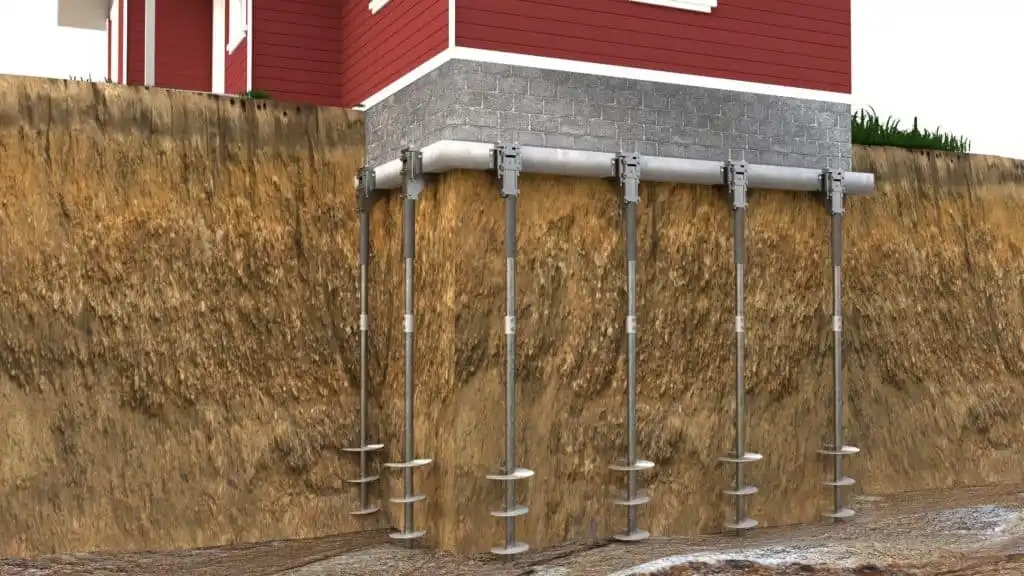
Modern house foundation repair uses a variety of techniques tailored to the specific type of foundation and underlying problem. One of the most common approaches is piering, also known as underpinning. This method involves installing steel or concrete piers beneath the foundation to lift and stabilize the structure. Piering is particularly effective for homes experiencing settlement or sinking due to unstable soil conditions.
Slabjacking, also called mudjacking, is another widely used technique. It involves pumping a mixture of cement or polyurethane beneath a sunken concrete slab to raise it back to its original level. This method is ideal for leveling floors, driveways, and sidewalks affected by minor foundation shifts.
For foundation cracks, epoxy injection is a precise repair technique. Liquid epoxy is injected into cracks to seal them, restore structural integrity, and prevent water intrusion. This approach is especially useful for small to medium-sized cracks in concrete foundations.
In addition to these repair methods, foundation stabilization often involves improving drainage and soil conditions around the home. Installing French drains, grading the landscape, or adding waterproof barriers can reduce soil movement and water-related damage, complementing structural repairs.
Advanced Technologies Supporting Foundation Repair
Modern house foundation repair relies on advanced technologies to enhance accuracy, efficiency, and long-term effectiveness. Laser leveling equipment, for example, allows contractors to measure foundation shifts with precision. This technology ensures that repairs lift and stabilize the structure evenly, reducing the risk of further settlement.
Ground-penetrating radar and soil analysis tools are used to assess soil composition, moisture levels, and potential problem areas before starting repairs. By understanding soil behavior and load-bearing capacity, contractors can select the most appropriate repair methods and materials.
Polyurethane foam injection has emerged as a high-tech alternative to traditional slabjacking. This lightweight foam expands beneath the concrete, lifting it and filling voids while resisting water infiltration. It cures quickly, allowing homeowners to resume use of repaired areas almost immediately.
Structural monitoring systems are also increasingly used in modern foundation repair. Sensors installed on or around the foundation track movement over time, alerting homeowners and contractors to potential issues before they become severe. This proactive approach helps prevent costly emergency repairs and supports long-term maintenance.
Technological advancements extend to materials as well. High-strength, corrosion-resistant steel piers, and fiber-reinforced concrete improve durability and ensure that repairs withstand environmental stresses for decades. Contractors now have access to engineered materials designed specifically to address common foundation problems with minimal maintenance.
Choosing the Right Repair Approach
Selecting the right foundation repair technique requires professional evaluation. A certified foundation repair specialist will conduct a thorough inspection, including visual assessment, soil testing, and structural analysis. The evaluation identifies the root cause of the problem and determines which repair methods will be most effective for long-term stability.
Homeowners should consider factors such as the severity of the damage, foundation type, soil conditions, and budget when deciding on repair solutions. Modern techniques often offer flexible options that can be customized to address specific needs, balancing cost, efficiency, and longevity.
In addition to structural repairs, it is important to implement preventive measures. Proper drainage, regular inspections, and maintenance of landscaping can reduce the risk of future foundation issues. Combining advanced repair methods with preventive strategies ensures a stable foundation and protects the home’s value over time.
Modern house foundation repair integrates precise techniques, innovative technologies, and preventive strategies to address foundation issues effectively. From piering and slabjacking to epoxy injection and polyurethane foam, homeowners have access to advanced solutions tailored to their specific needs. By partnering with experienced professionals and leveraging the latest tools and materials, homeowners can ensure the long-term stability, safety, and value of their homes.

Comments are closed.