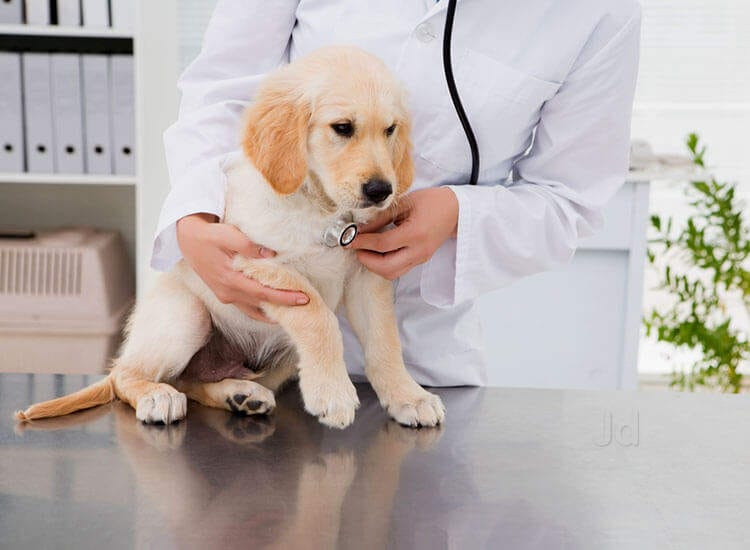
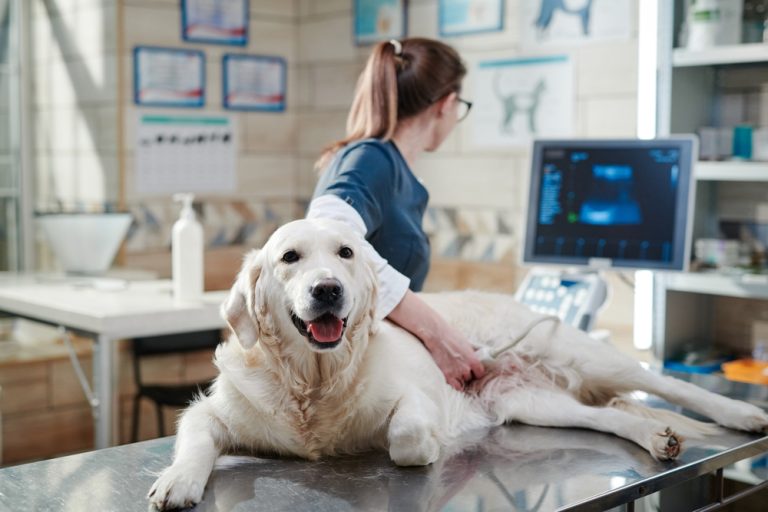
Regular veterinary visits are essential for maintaining your pet’s health and preventing serious medical issues. While pets may appear healthy, many diseases and conditions develop silently. Annual checkups allow veterinarians to detect early signs of illness, recommend preventive measures, and ensure your pet enjoys a long, healthy life.
Pets, like humans, benefit from routine monitoring of their physical condition, vaccination status, and behavioral health. An annual wellness exam is not just a formality — it is a proactive approach to preventing illness, managing chronic conditions, and maintaining overall wellness.
What Happens During an Annual Checkup
A comprehensive checkup typically includes several important components:
- Physical Examination: The veterinarian will assess your pet’s eyes, ears, mouth, coat, skin, heart, lungs, and abdominal organs for any abnormalities.
- Weight and Body Condition Assessment: Maintaining a healthy weight is crucial, as obesity can lead to diabetes, joint problems, and heart disease.
- Vaccination Review: Keeping vaccines up to date protects pets from preventable illnesses such as rabies, distemper, and parvovirus.
- Parasite Prevention: Flea, tick, and heartworm prevention plans are reviewed to ensure protection year-round.
- Behavioral Assessment: Stress, anxiety, and changes in behavior can indicate underlying health issues.
- Dental Health Check: Dental disease is common in pets and can affect overall health. Early detection allows for effective treatment.
This thorough assessment allows veterinarians to detect subtle issues before they become serious problems, saving both pets and owners stress and expenses.
The Benefits of Preventive Care
Preventive veterinary care extends beyond illness detection. It promotes long-term health in multiple ways:
- Early Disease Detection: Chronic conditions like kidney disease, diabetes, and arthritis can be managed more effectively when identified early.
- Vaccination and Immunity: Ensuring vaccines are current helps prevent deadly and contagious diseases.
- Nutritional Guidance: Veterinarians provide advice on appropriate diets based on age, breed, and health conditions.
- Behavioral Guidance: Early interventions for behavioral issues can improve quality of life for both pet and owner.
- Financial Savings: Preventive care reduces the risk of expensive emergency treatments later by identifying and addressing health concerns early.
Wellness exams are not only about immediate care but also about planning for a pet’s future needs, including lifestyle adjustments and early interventions that support longevity.
Special Considerations for Different Life Stages
Pets have varying needs depending on their age:
- Puppies and Kittens: Require vaccinations, deworming, and guidance on proper nutrition and socialization.
- Adult Pets: Focus shifts to maintaining optimal weight, preventing disease, and continuing vaccination schedules.
- Senior Pets: More frequent monitoring may be necessary to manage age-related conditions such as arthritis, organ function decline, and dental disease.
Tailoring care to life stages ensures that every pet receives the attention necessary to maintain health and comfort throughout their lifetime.
Signs Your Pet May Need a Checkup Sooner
While annual checkups are standard, certain signs indicate an immediate veterinary visit:
- Changes in appetite or water intake
- Unexplained weight loss or gain
- Persistent vomiting or diarrhea
- Lethargy or decreased activity levels
- Behavioral changes, such as aggression or anxiety
- Signs of pain, including limping, vocalization, or reluctance to move
Early attention to these warning signs can prevent minor issues from escalating into serious health problems.
The Role of Veterinary Expertise
Veterinarians are trained to recognize subtle health changes and recommend treatments that improve quality of life. Their expertise extends beyond diagnosing illness — they provide guidance on nutrition, exercise, preventive care, and mental health support. Establishing a relationship with a trusted veterinary team ensures continuity of care, allowing them to track health changes over time and adjust care plans accordingly.
For pet owners seeking comprehensive wellness and preventive care, services like Douglas Animal Hospital offer professional guidance, personalized treatment plans, and the support necessary to maintain the health and happiness of your pet.
Conclusion
Annual veterinary checkups are a cornerstone of responsible pet ownership. They provide opportunities for early disease detection, preventive care, vaccination management, dietary guidance, and behavioral support. By prioritizing wellness visits, pet owners give their companions the best chance at a long, healthy, and fulfilling life.
Preventive care not only enhances the quality of life for pets but also strengthens the bond between pets and owners by reducing preventable health problems. Regular checkups, tailored to your pet’s age and needs, are an investment in a lifetime of health, comfort, and companionship.